Hunting Gear
Get ready for time in the field with hunting gear for scouting, navigation and staying connected. Explore trail cameras, binoculars, handheld GPS devices and two-way radios, and find features that fit your terrain and outdoor routine.
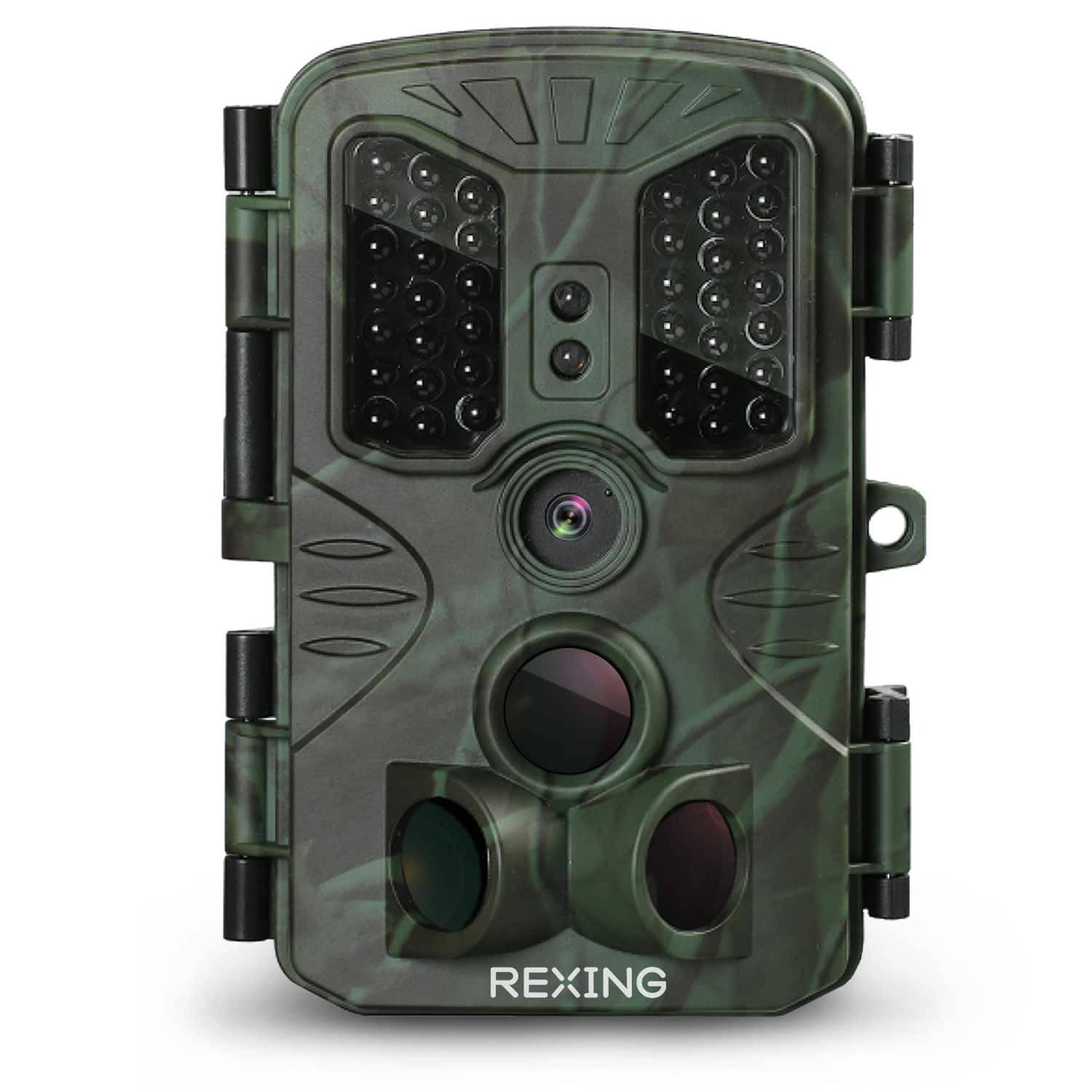
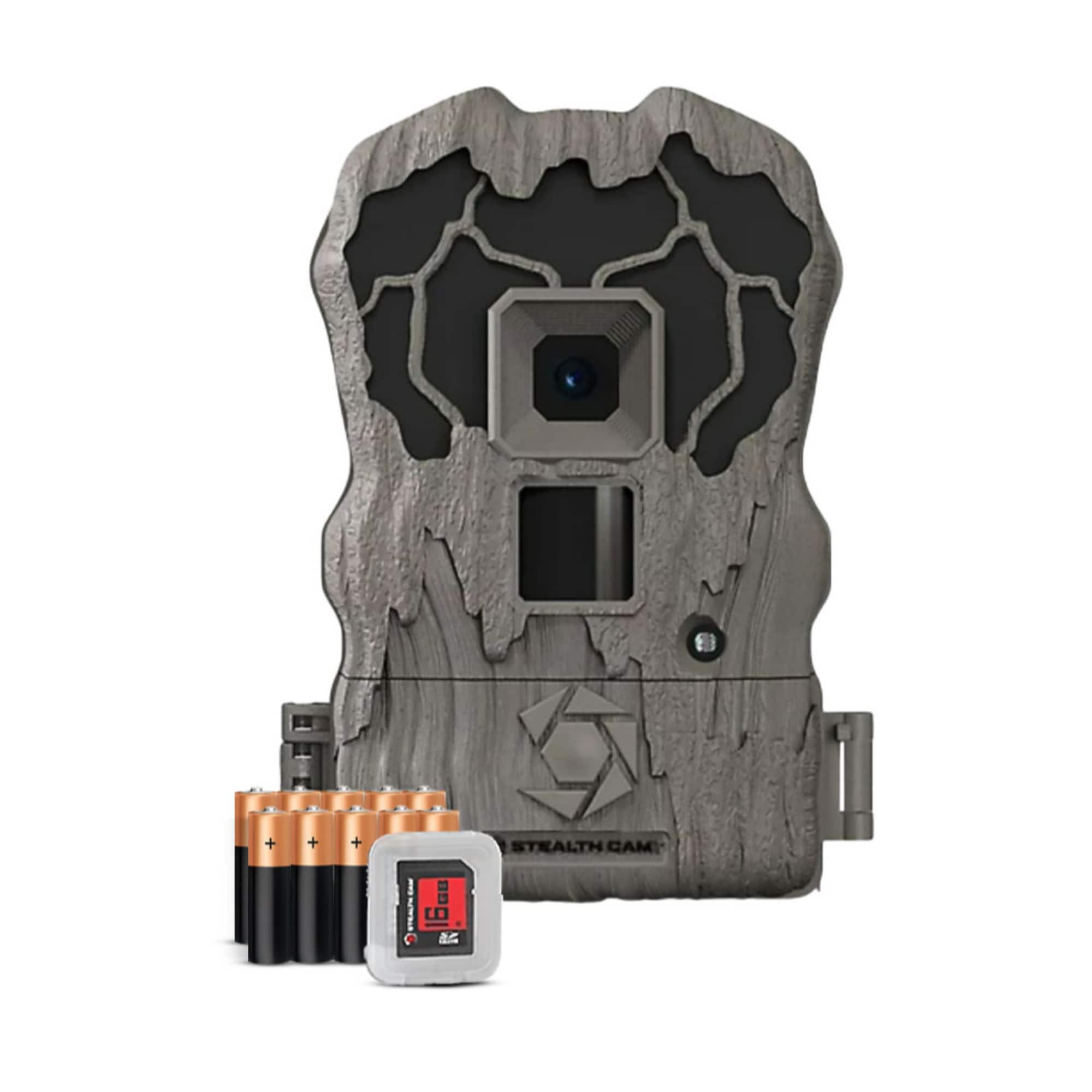
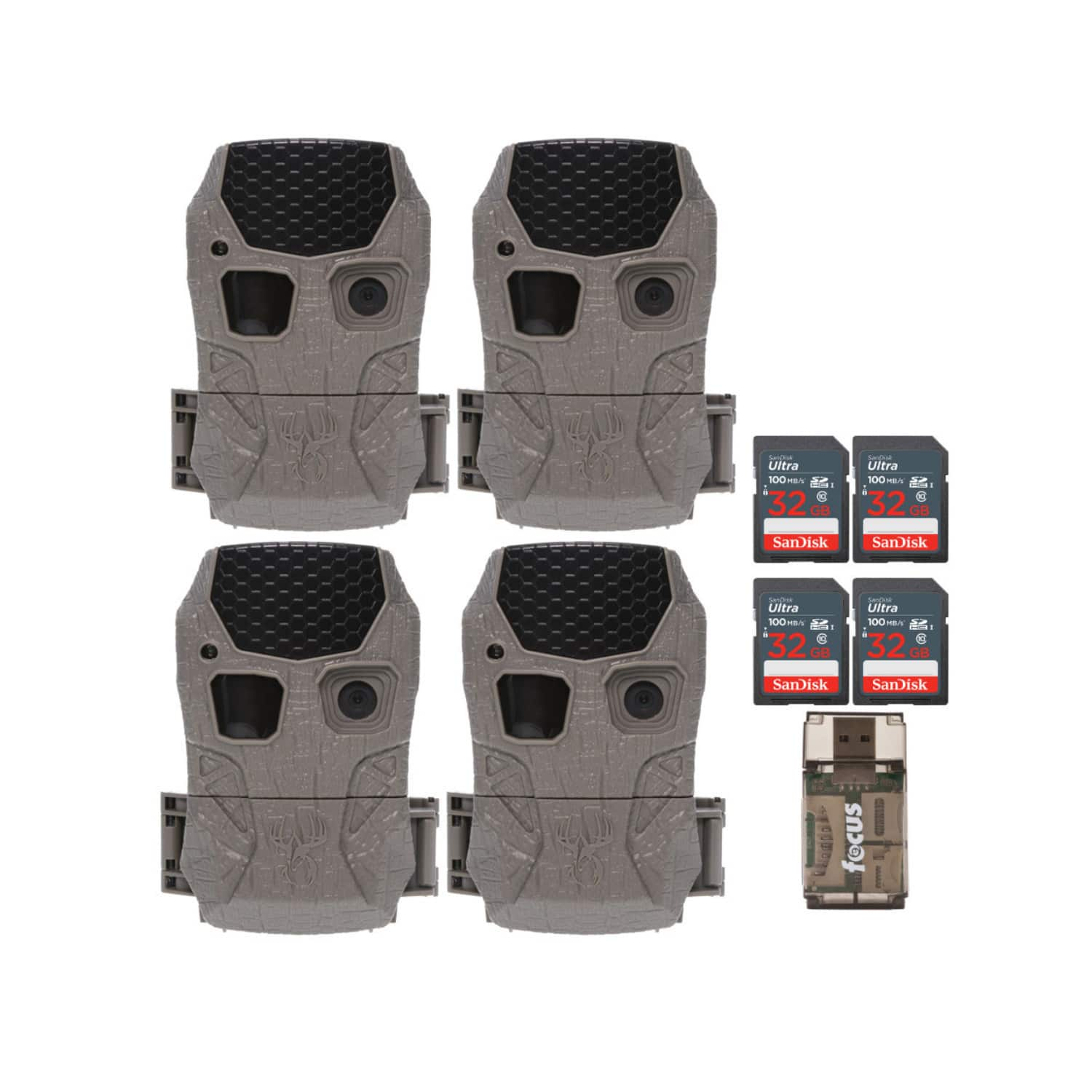
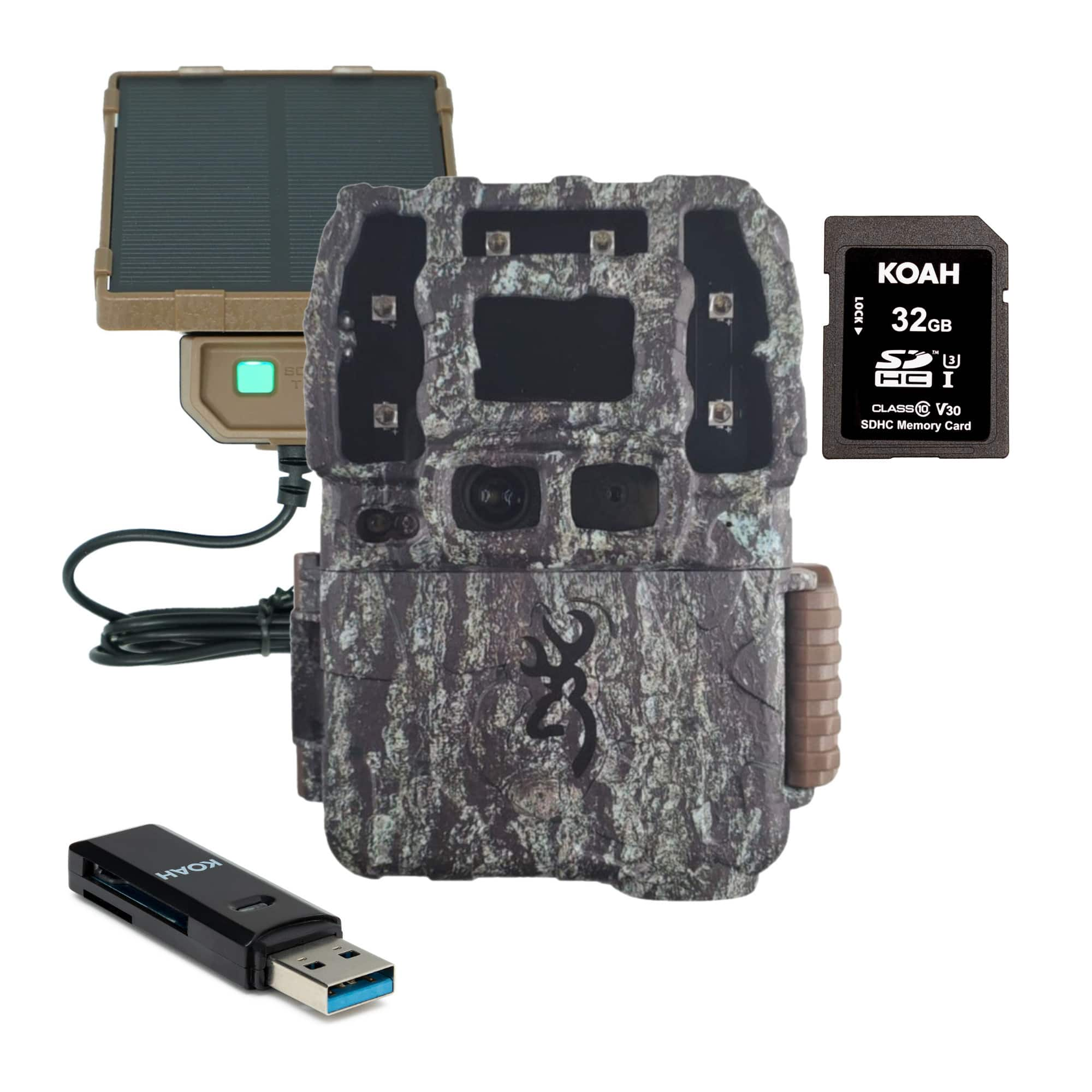
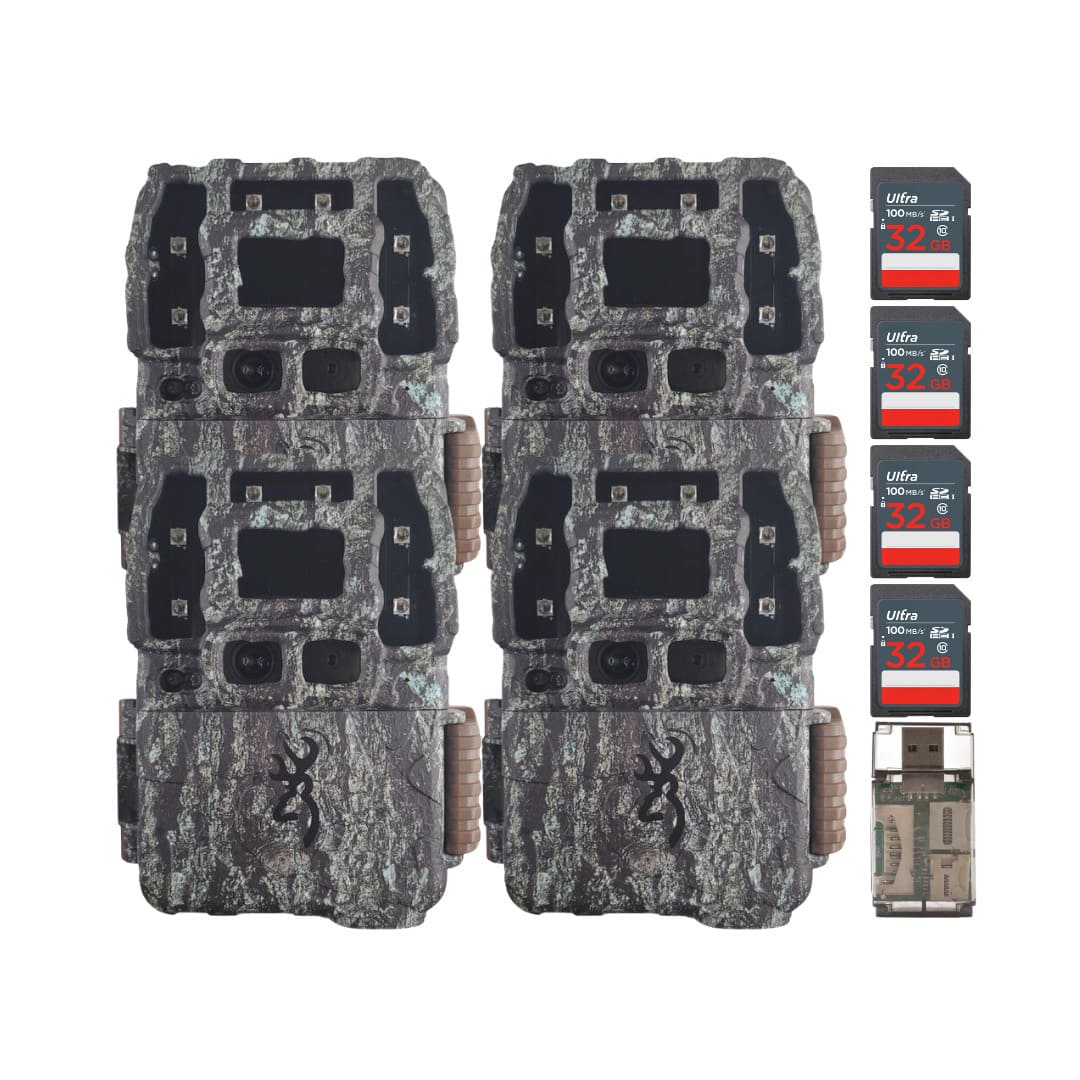
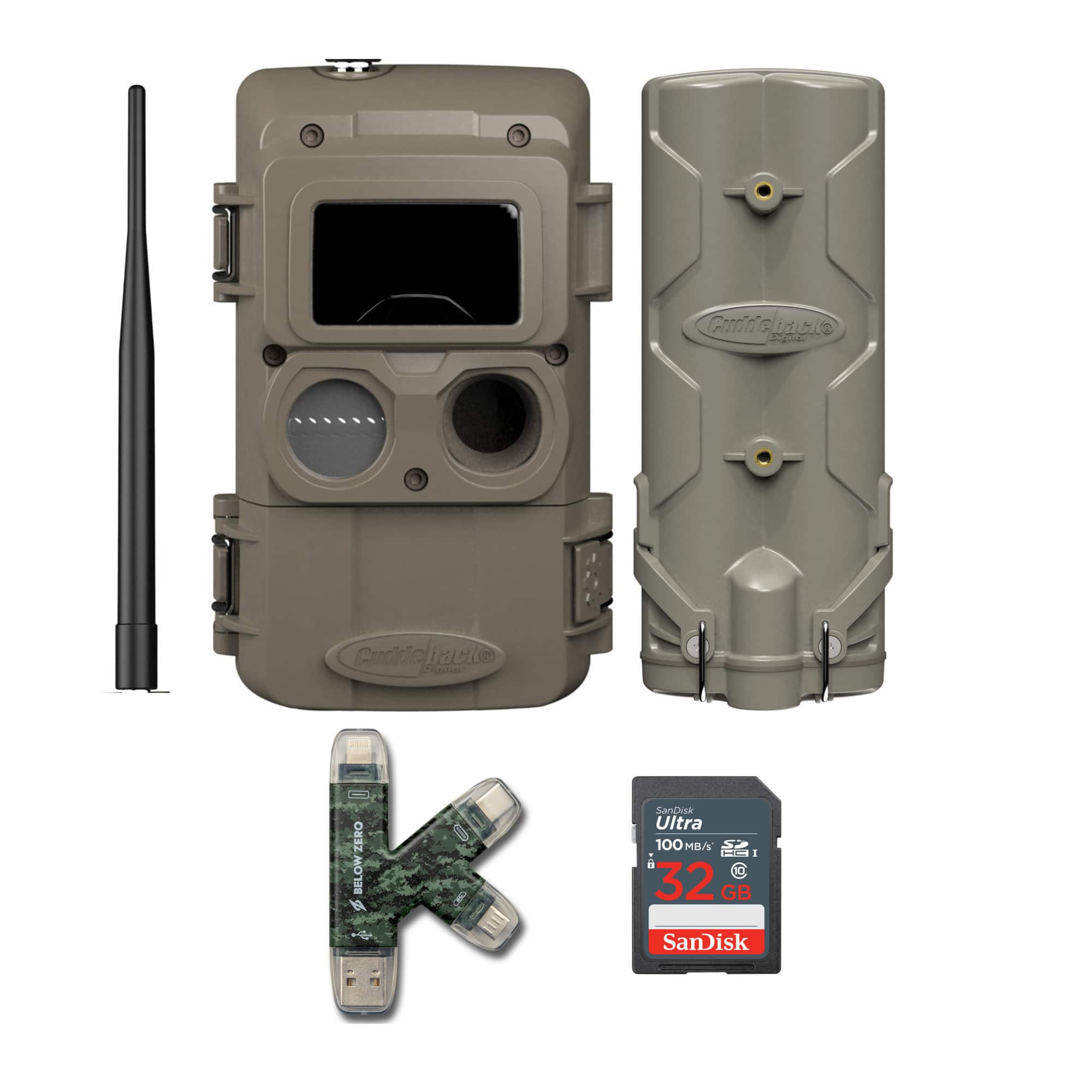
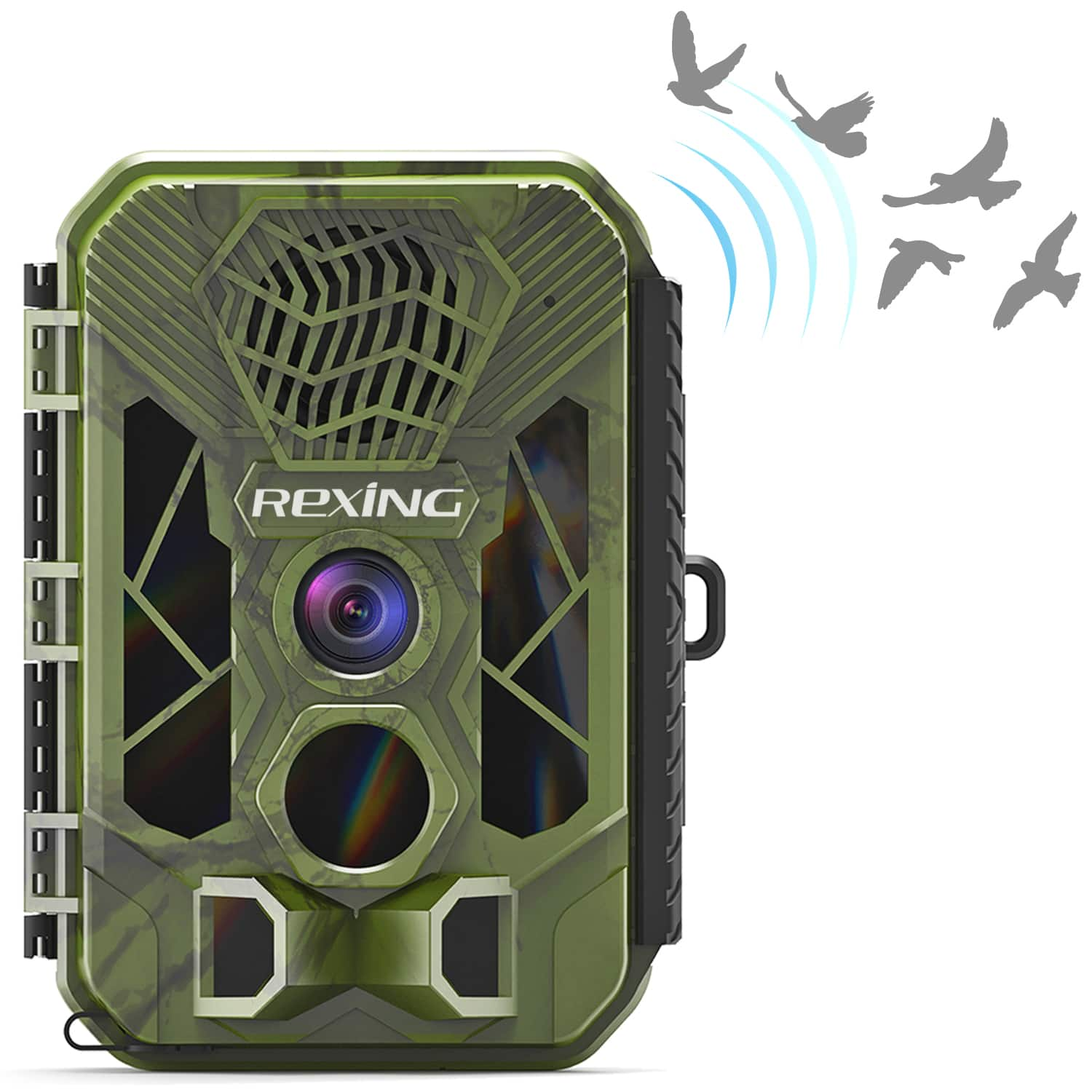
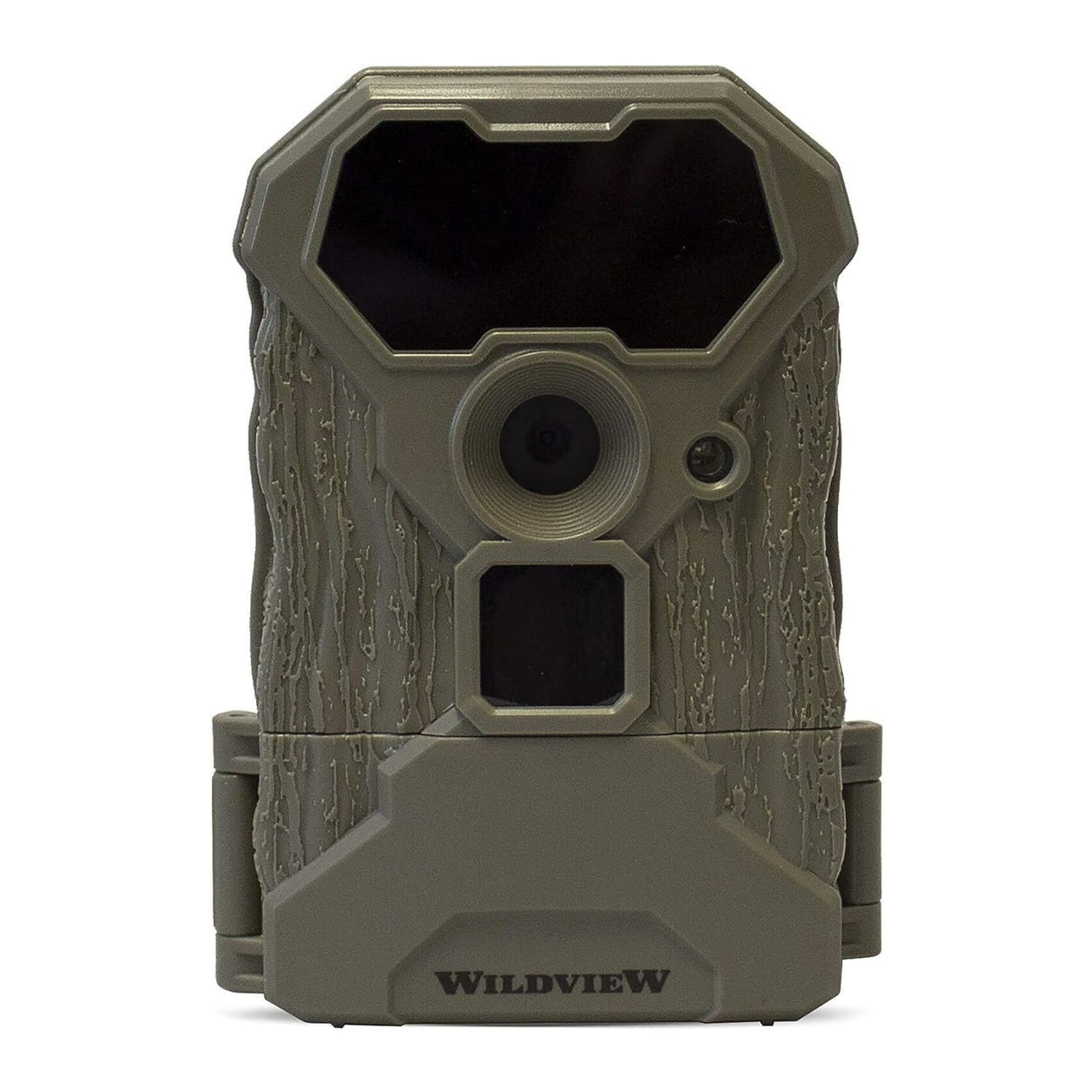
Trail Cameras
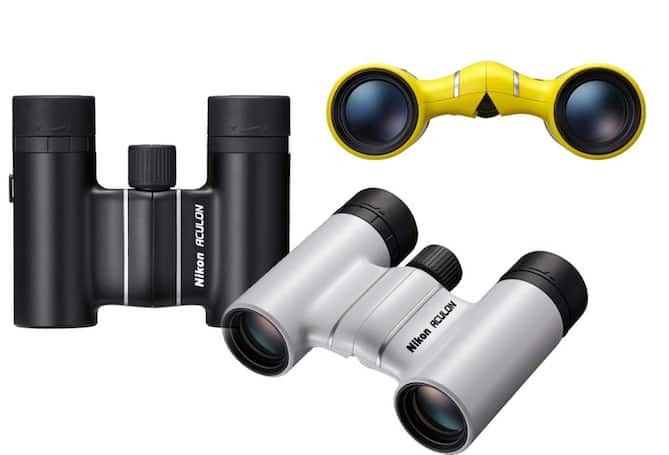
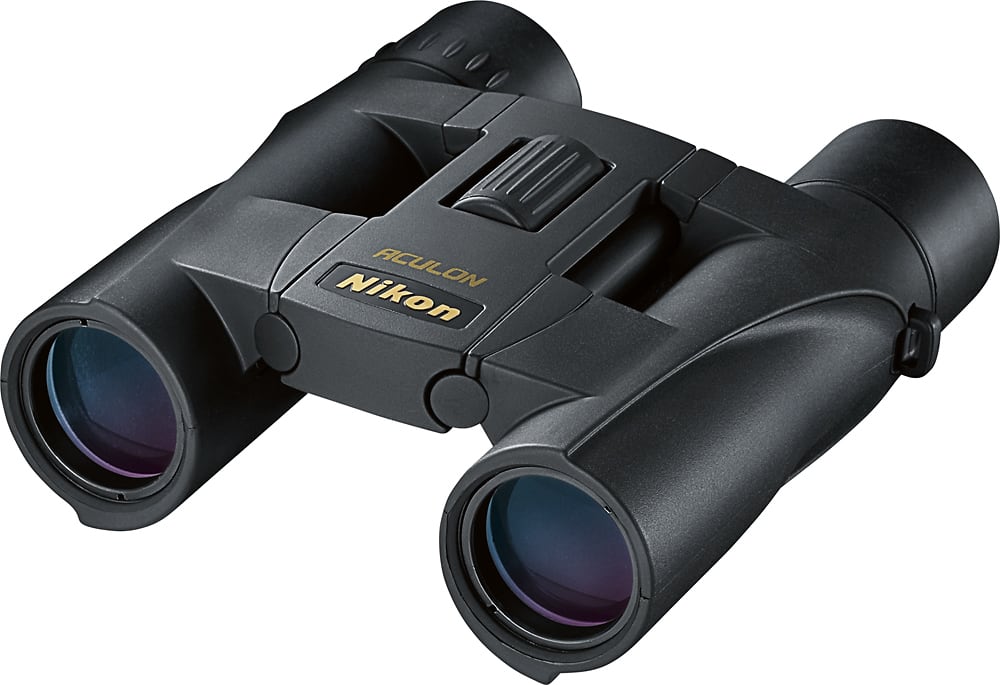
Binoculars











Handheld GPS Devices

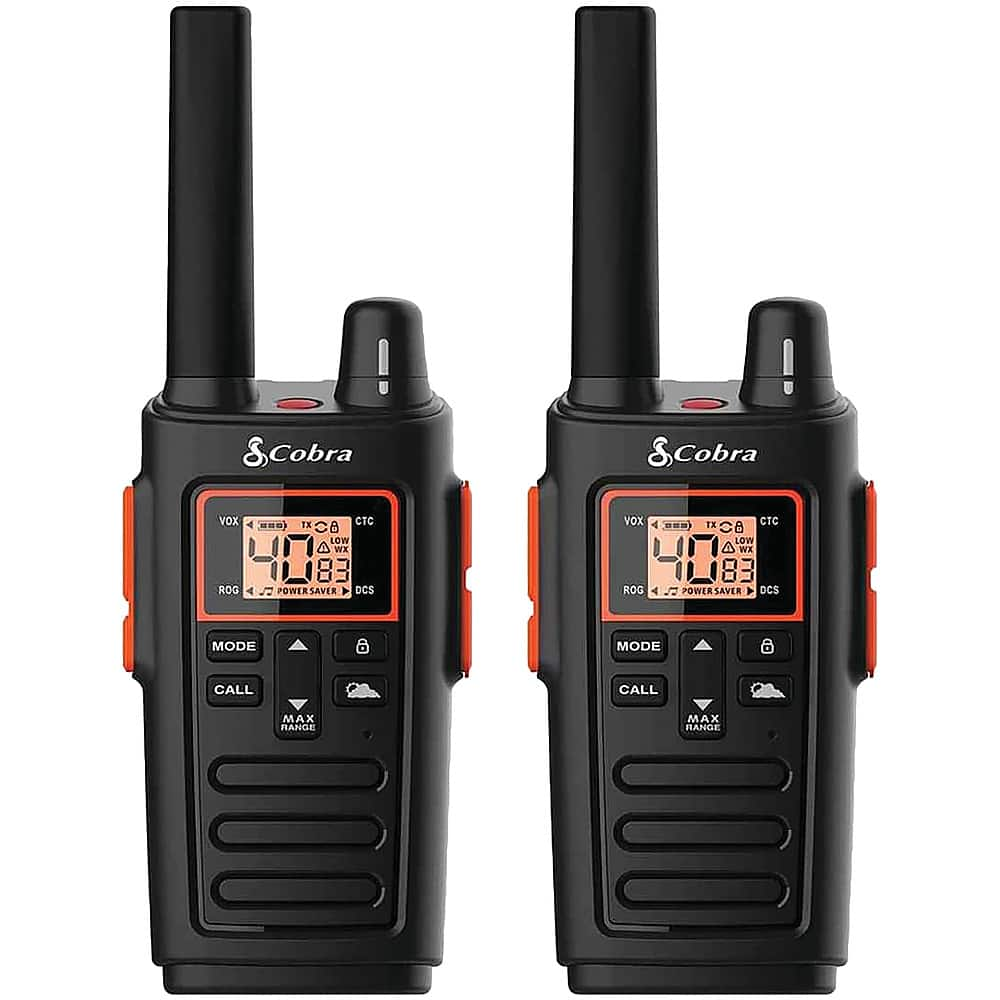
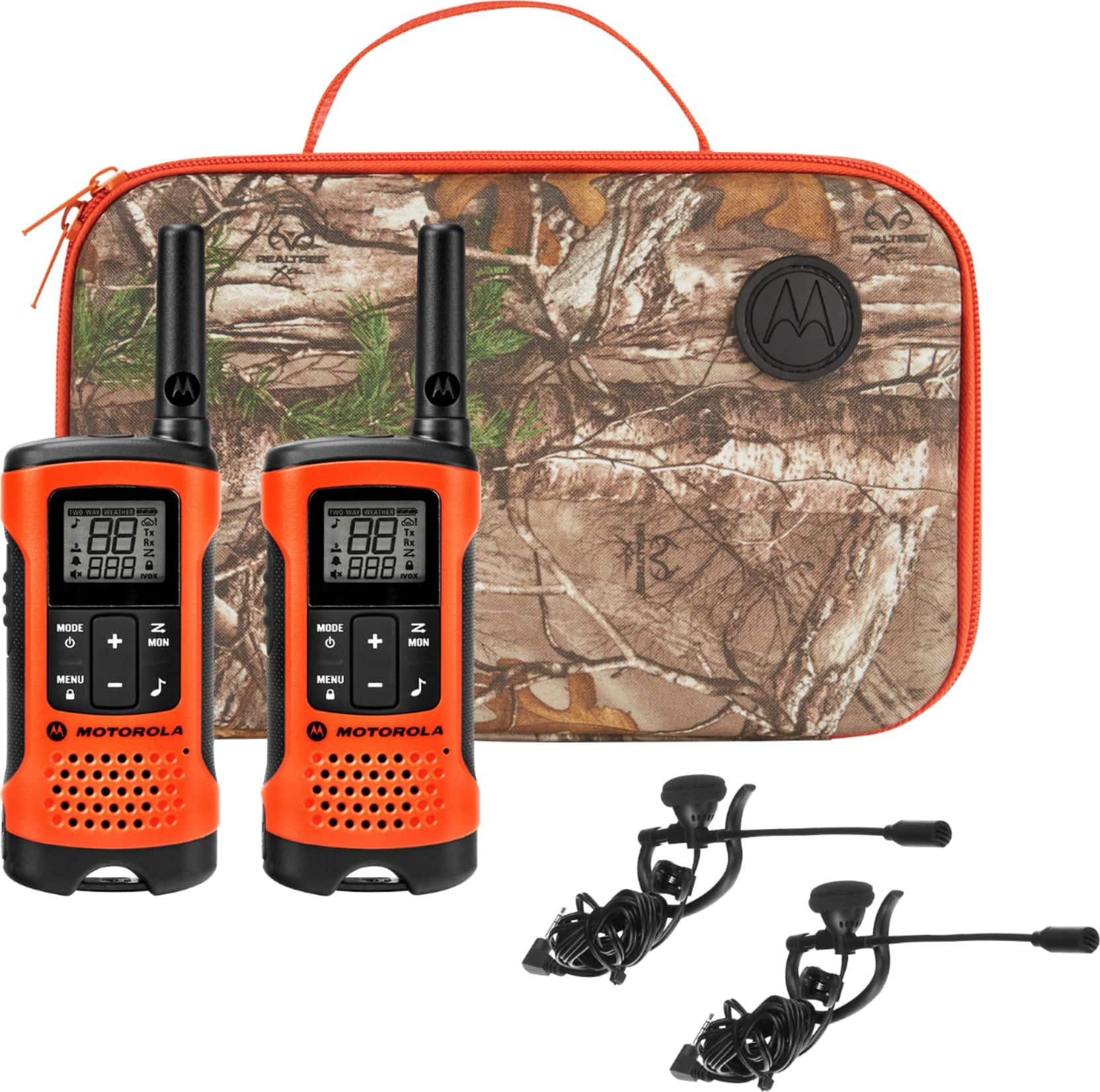
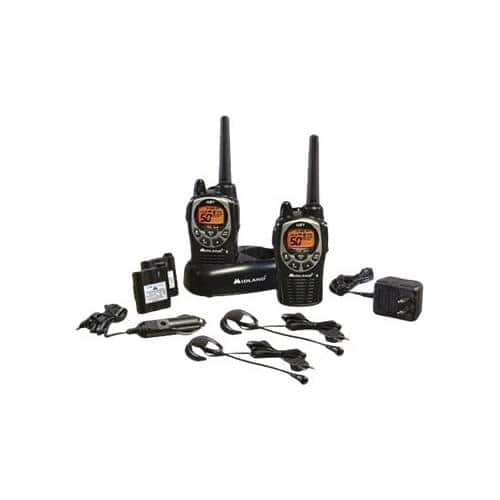
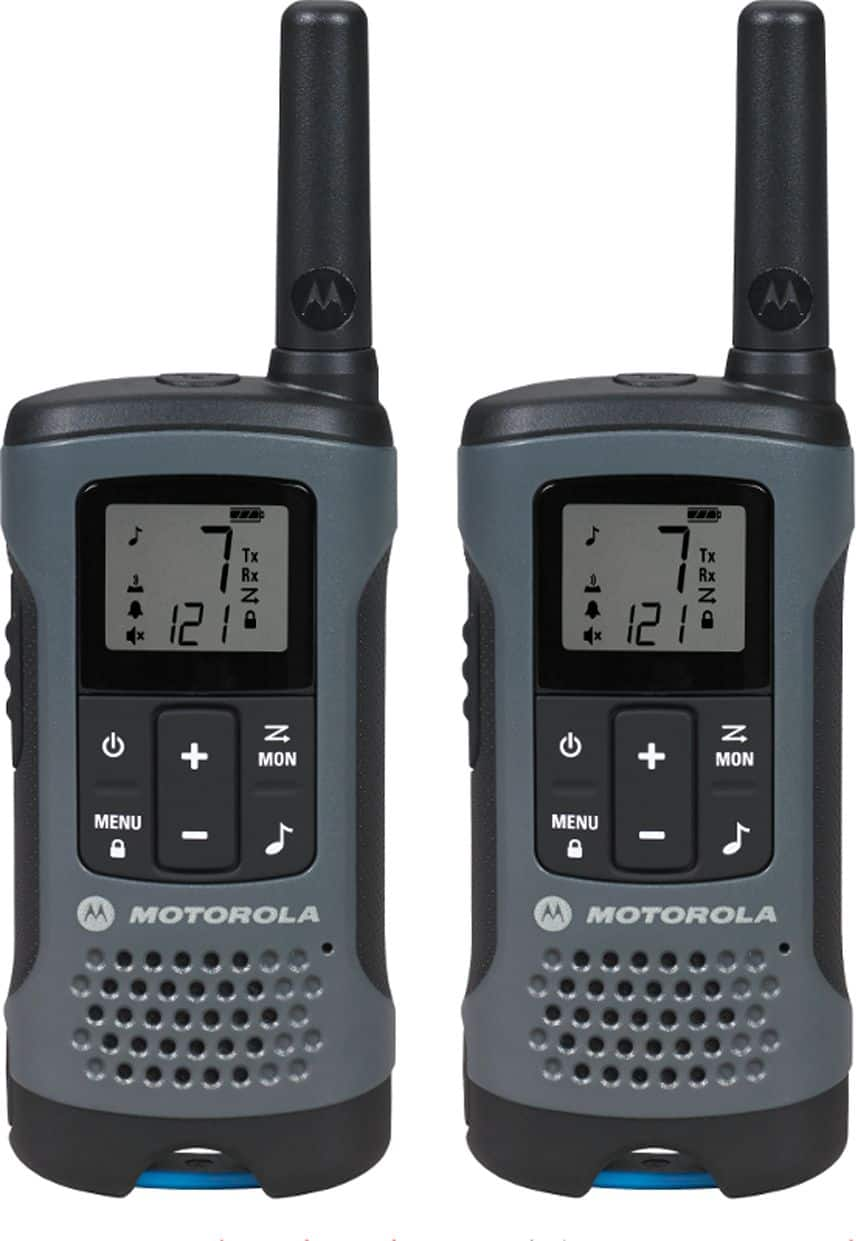
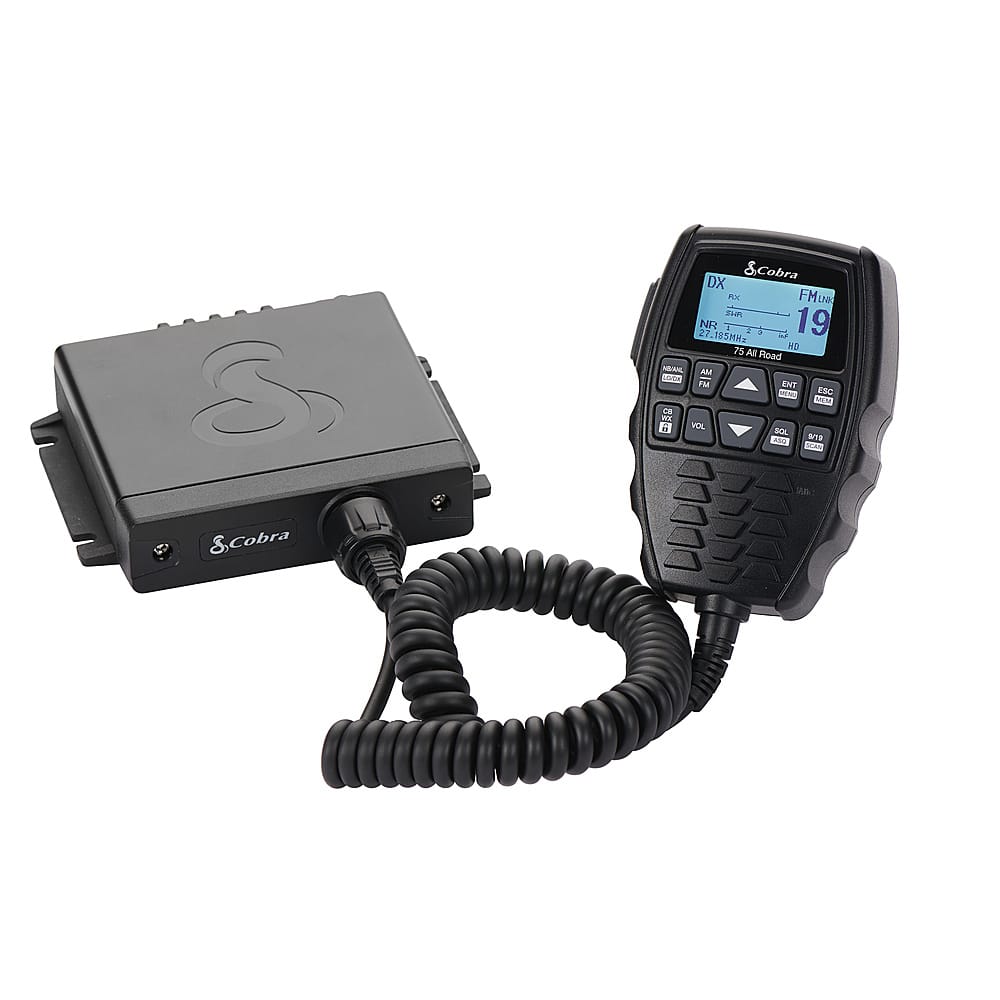
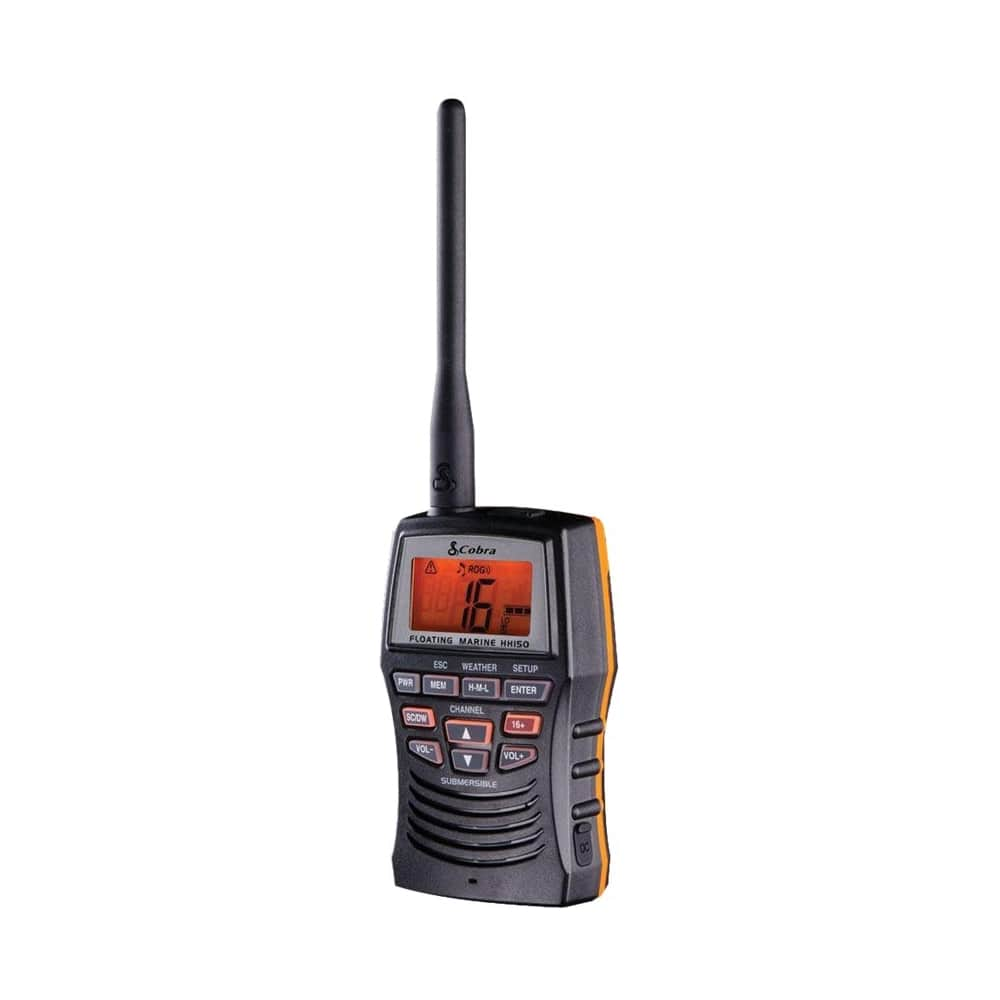
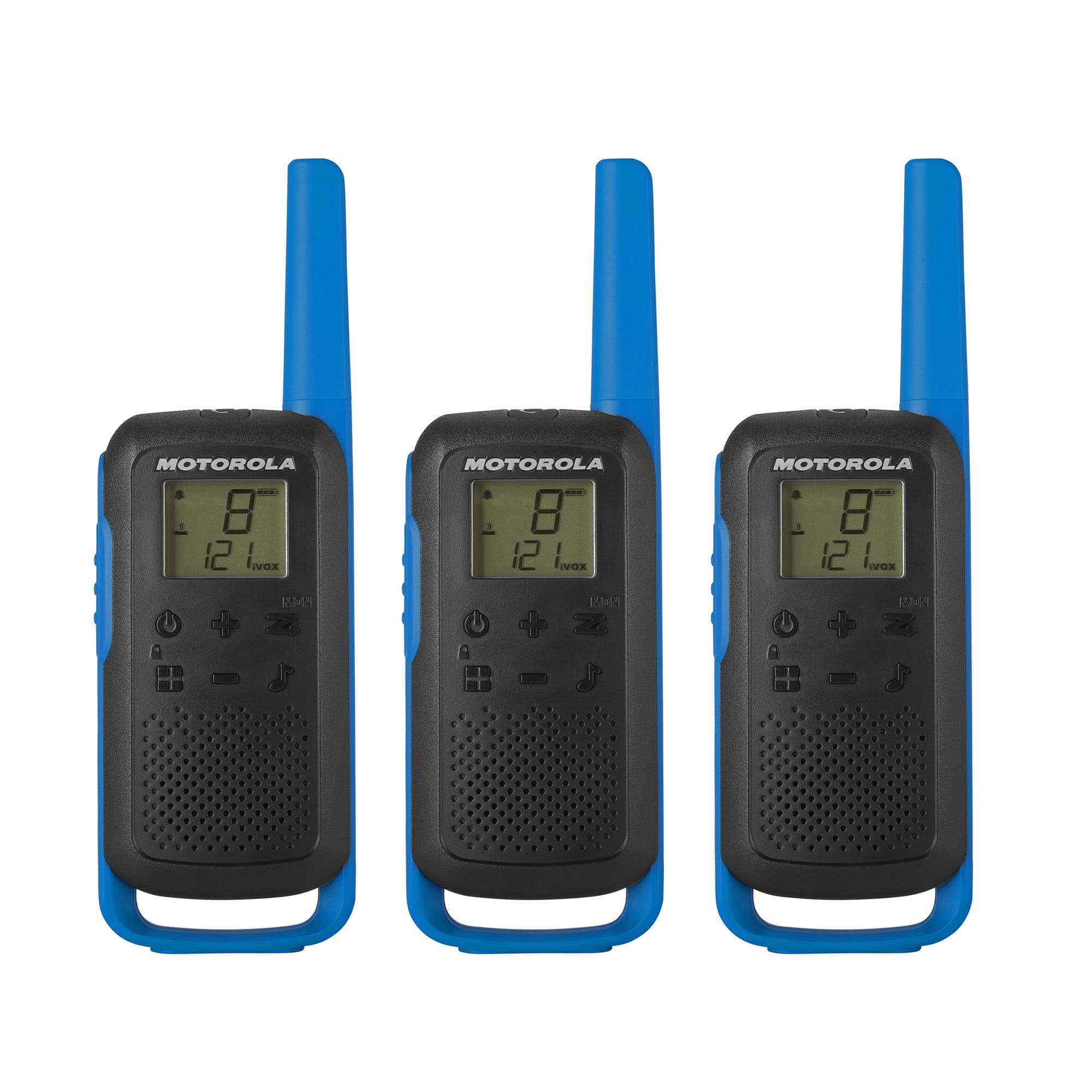
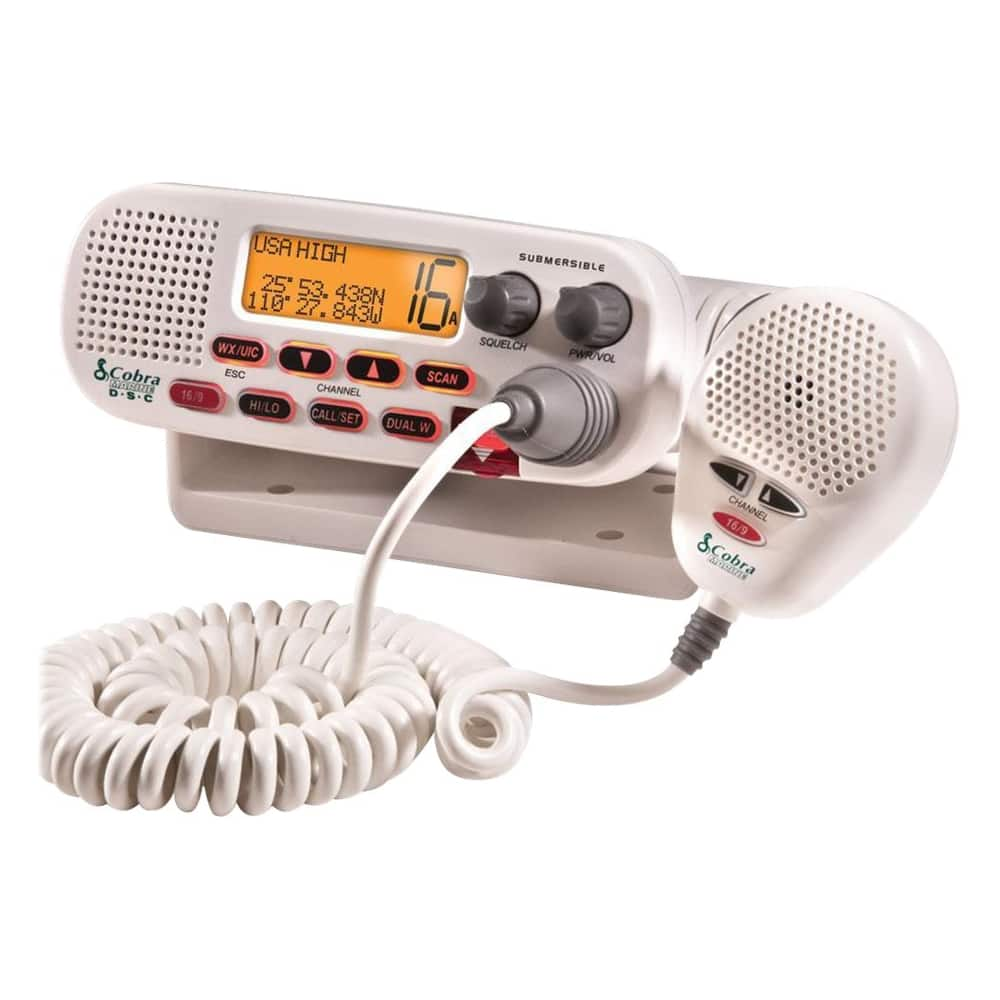
Two-Way Radios









Hunting Gear
FAQs
Trail cameras can help you observe wildlife activity, binoculars provide a closer view, and handheld GPS devices can help you mark locations and follow routes. Two-way radios can support communication with your group where conditions allow. Choose equipment based on your terrain, trip length and local hunting regulations.
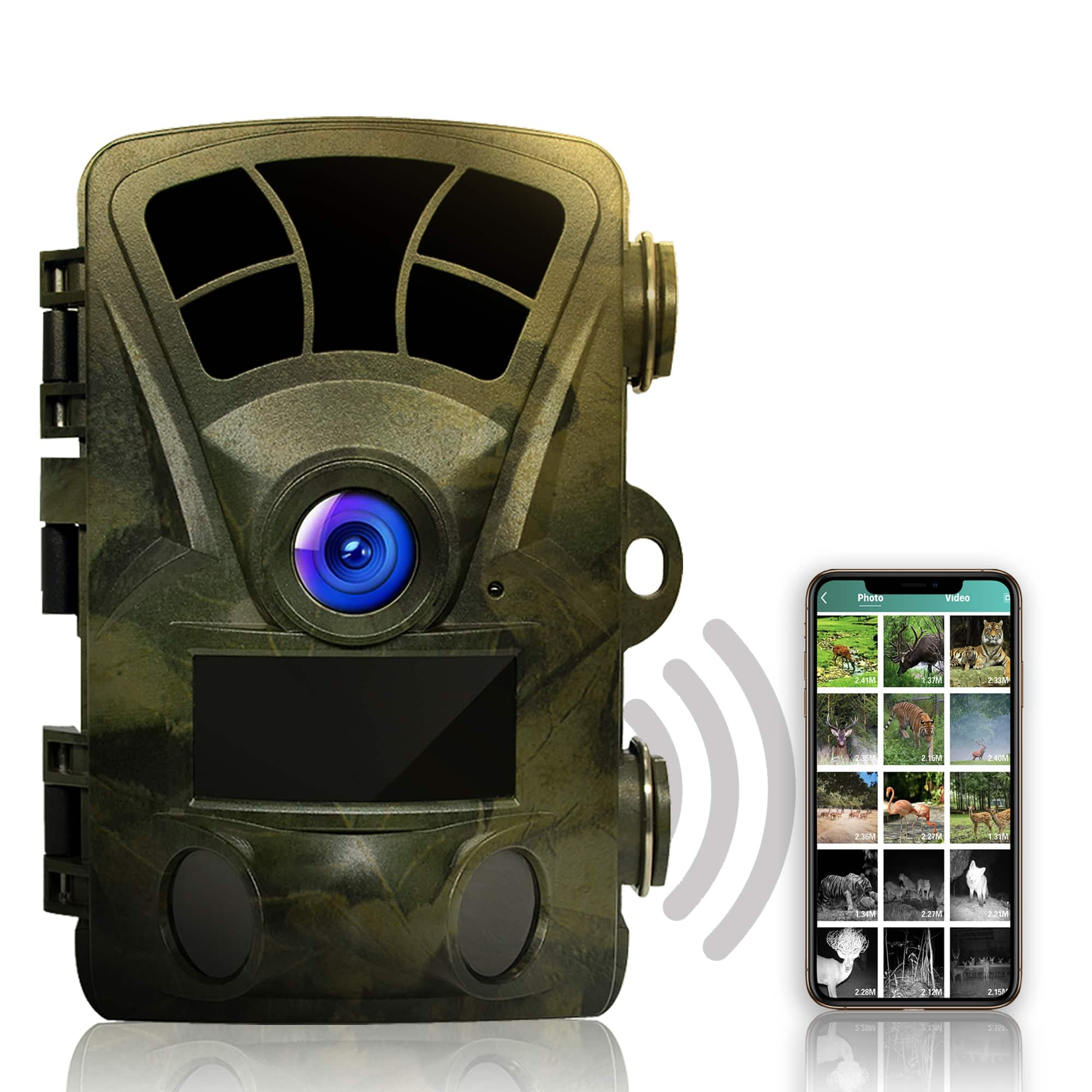
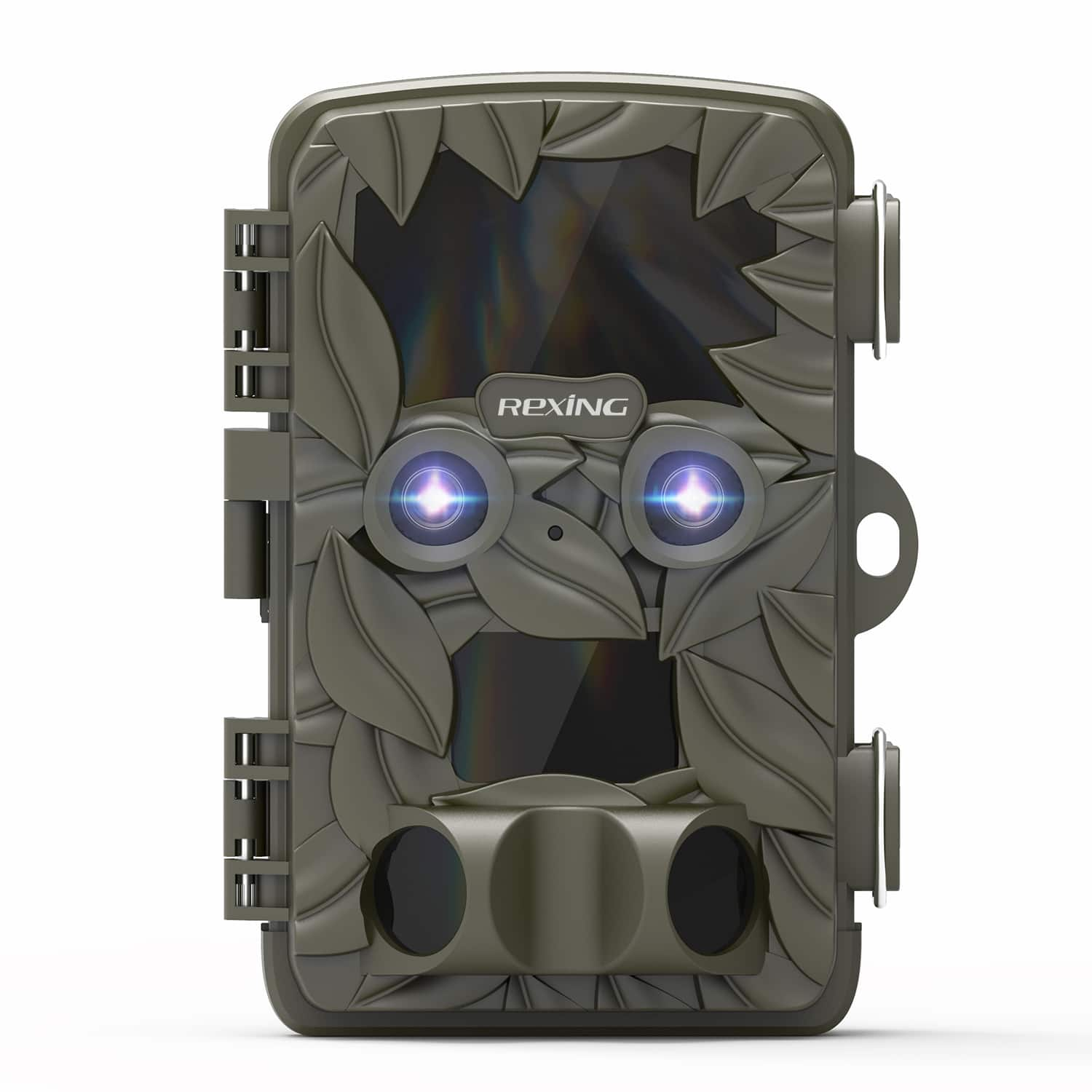
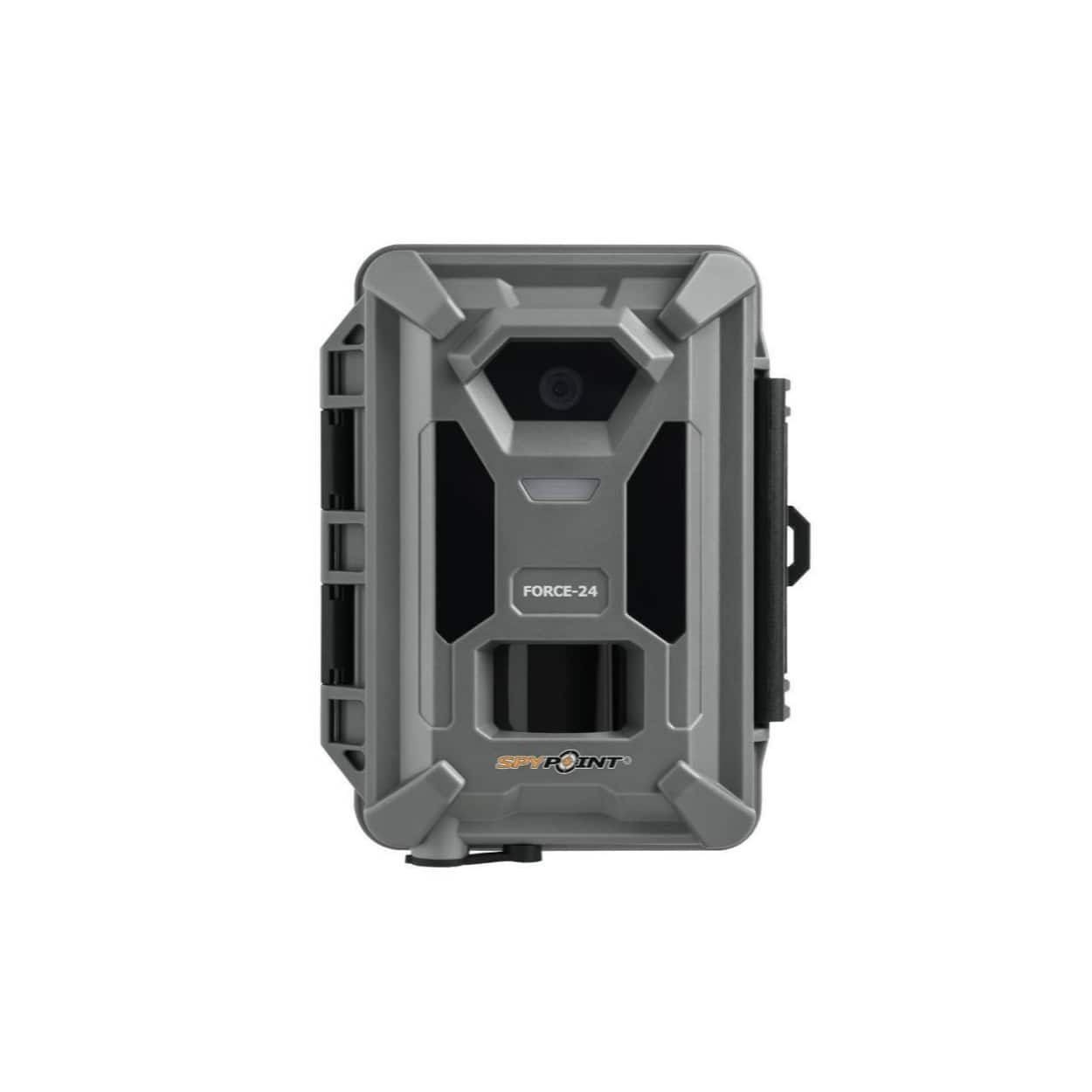
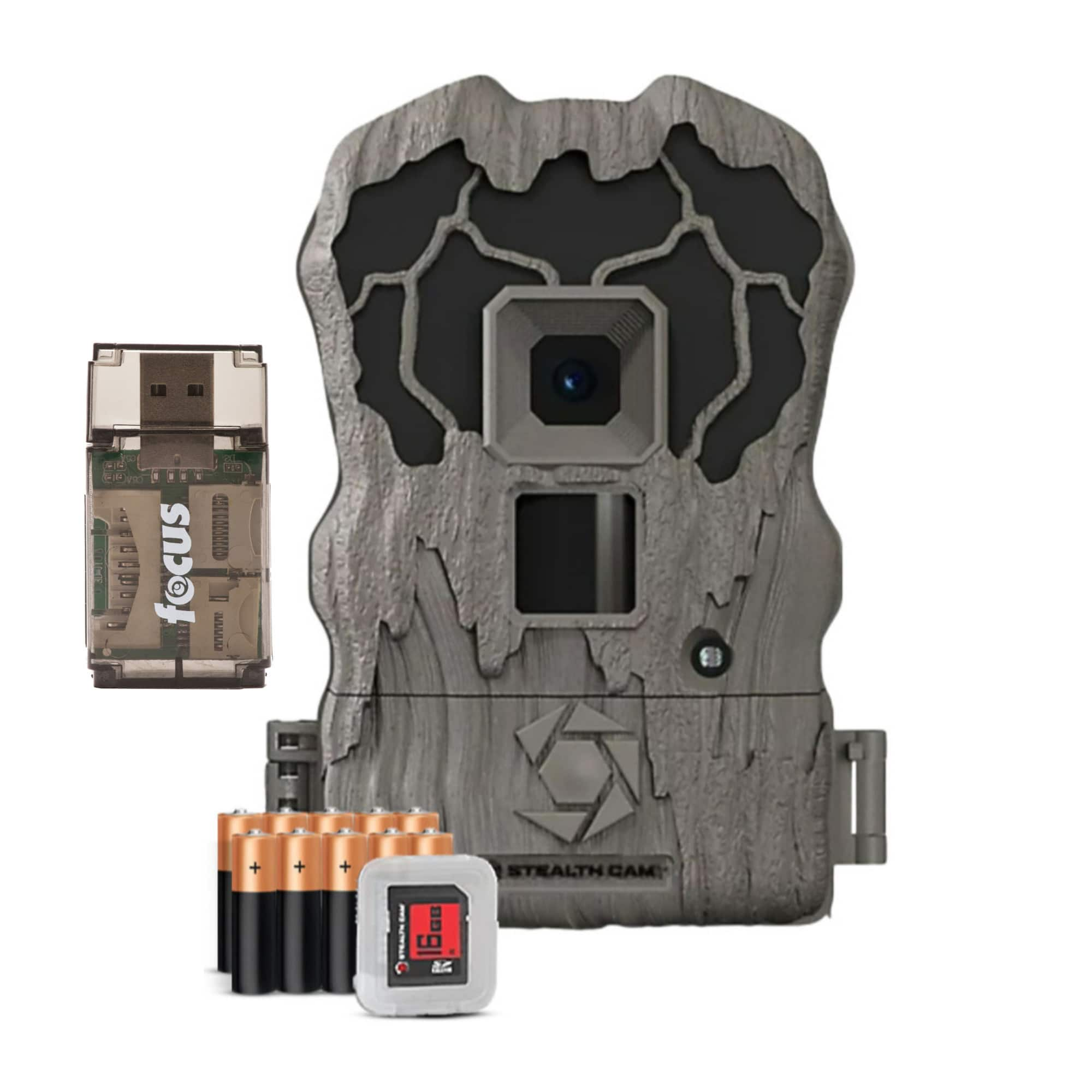
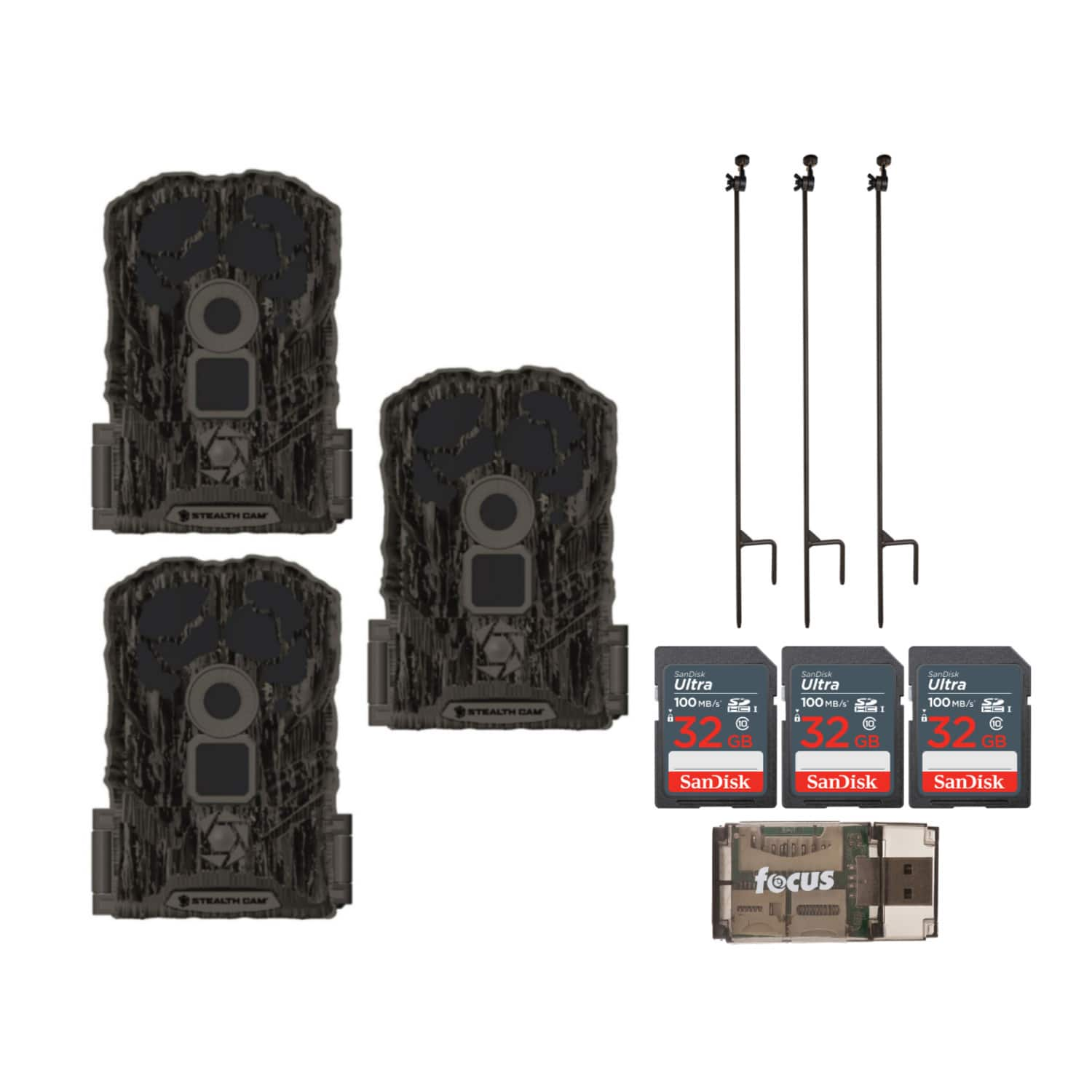
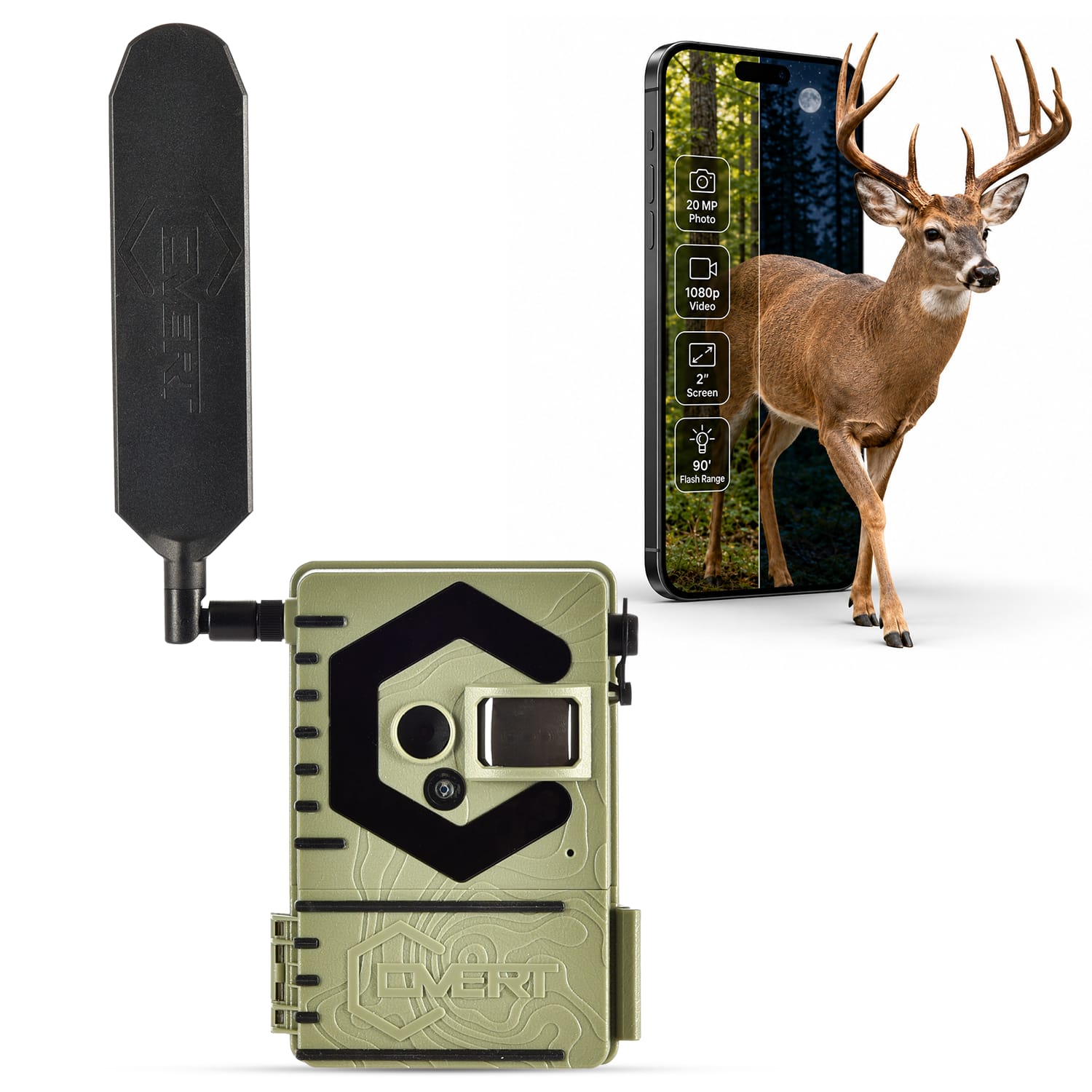
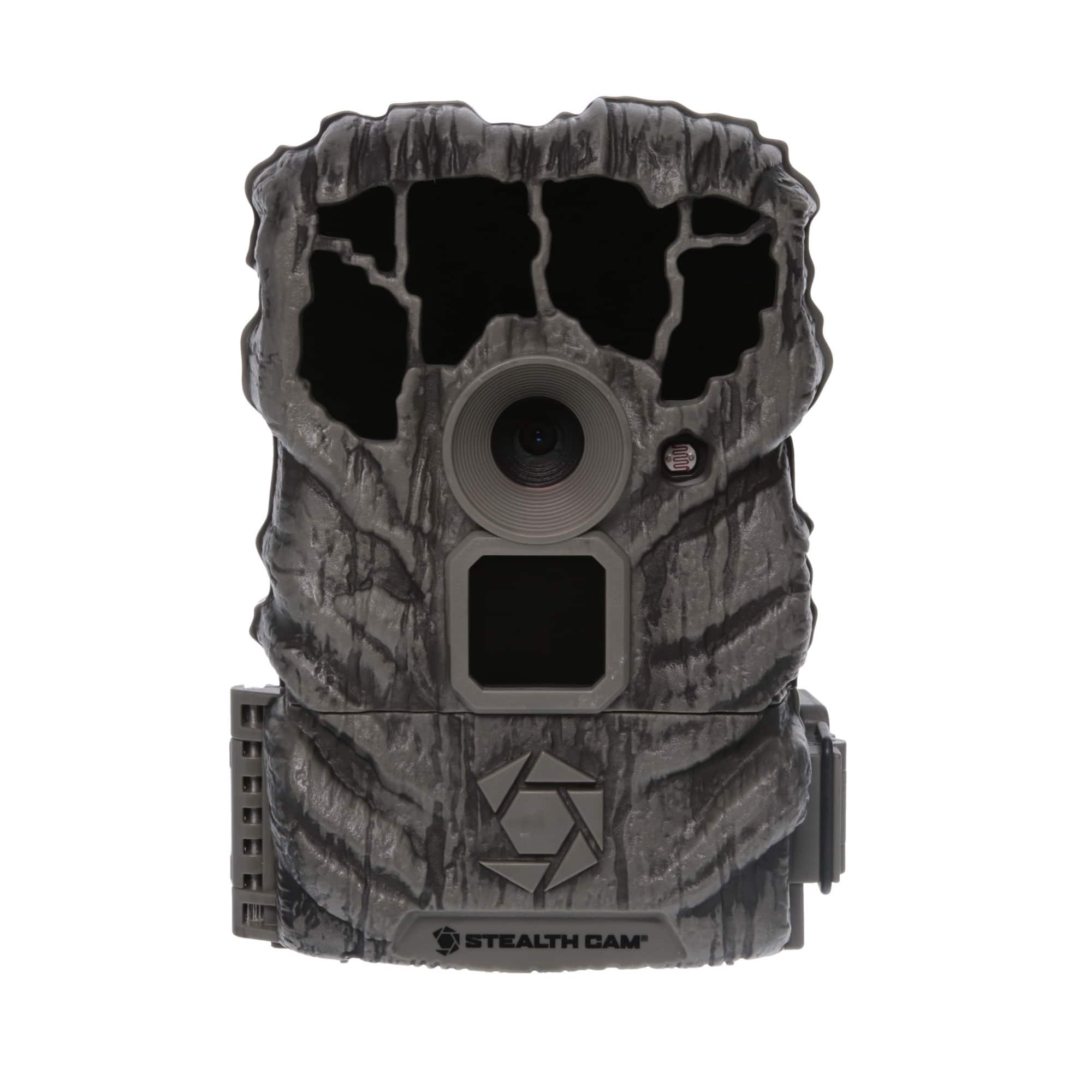
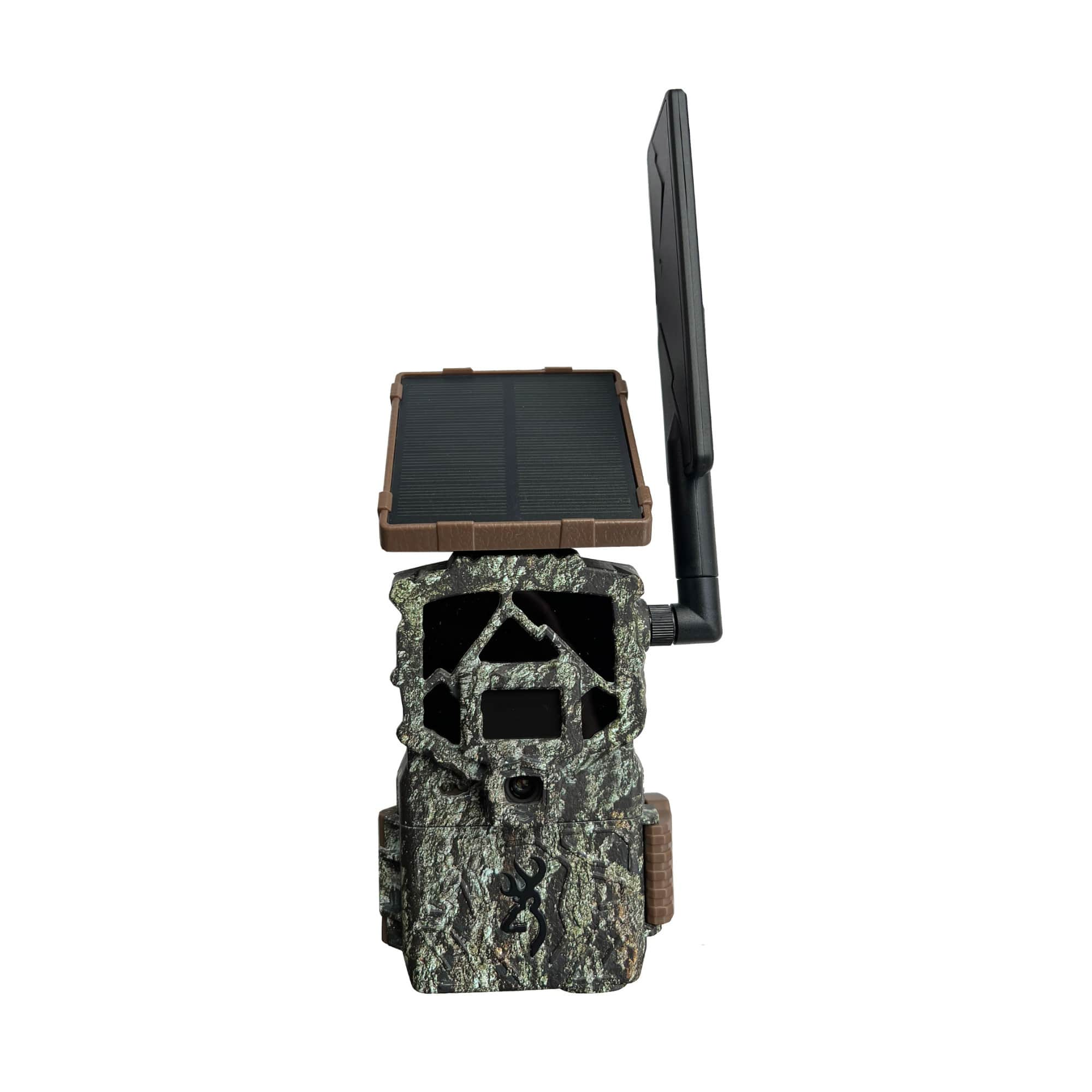
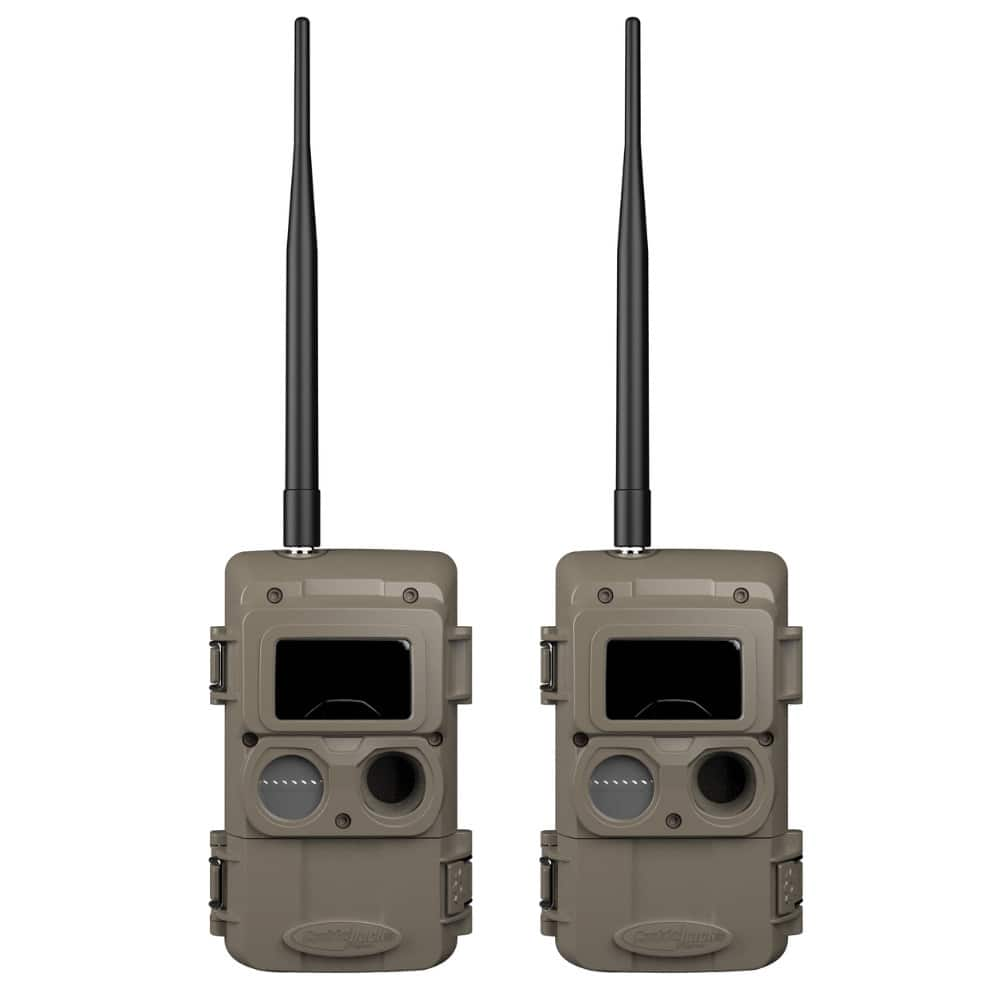
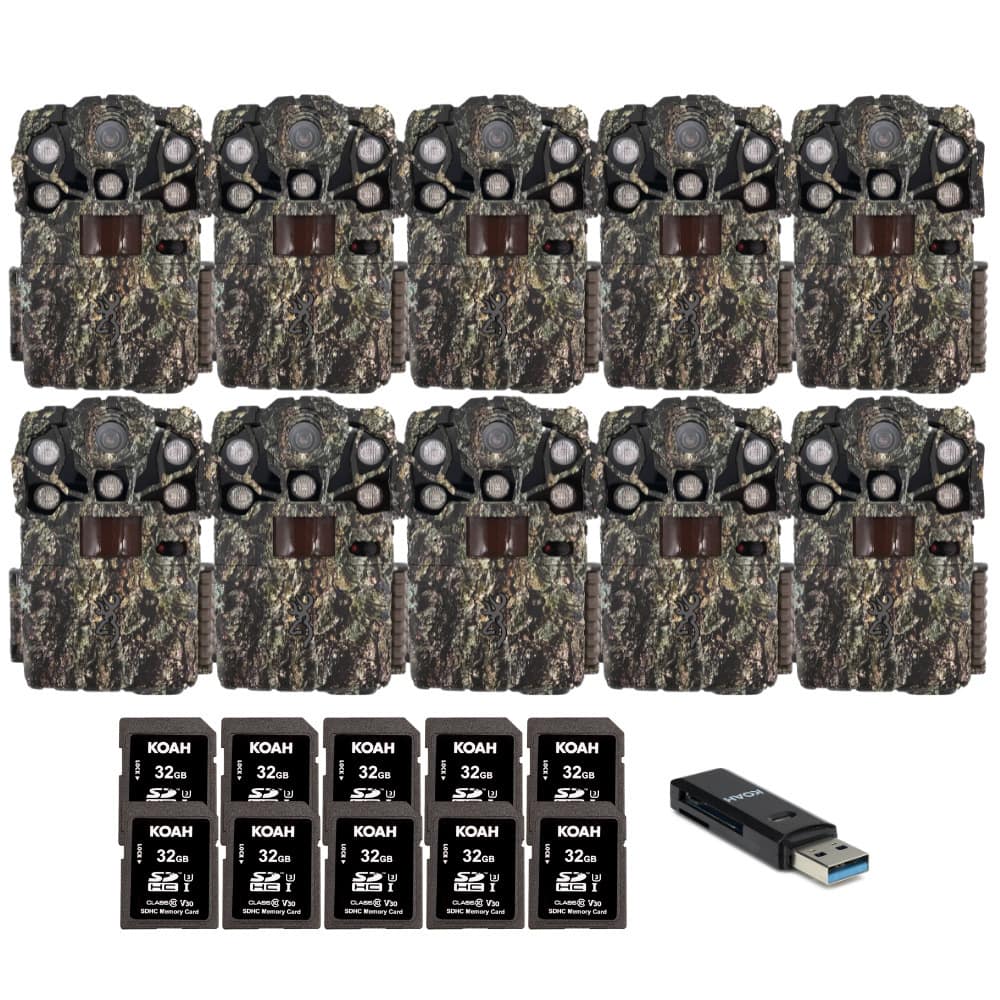
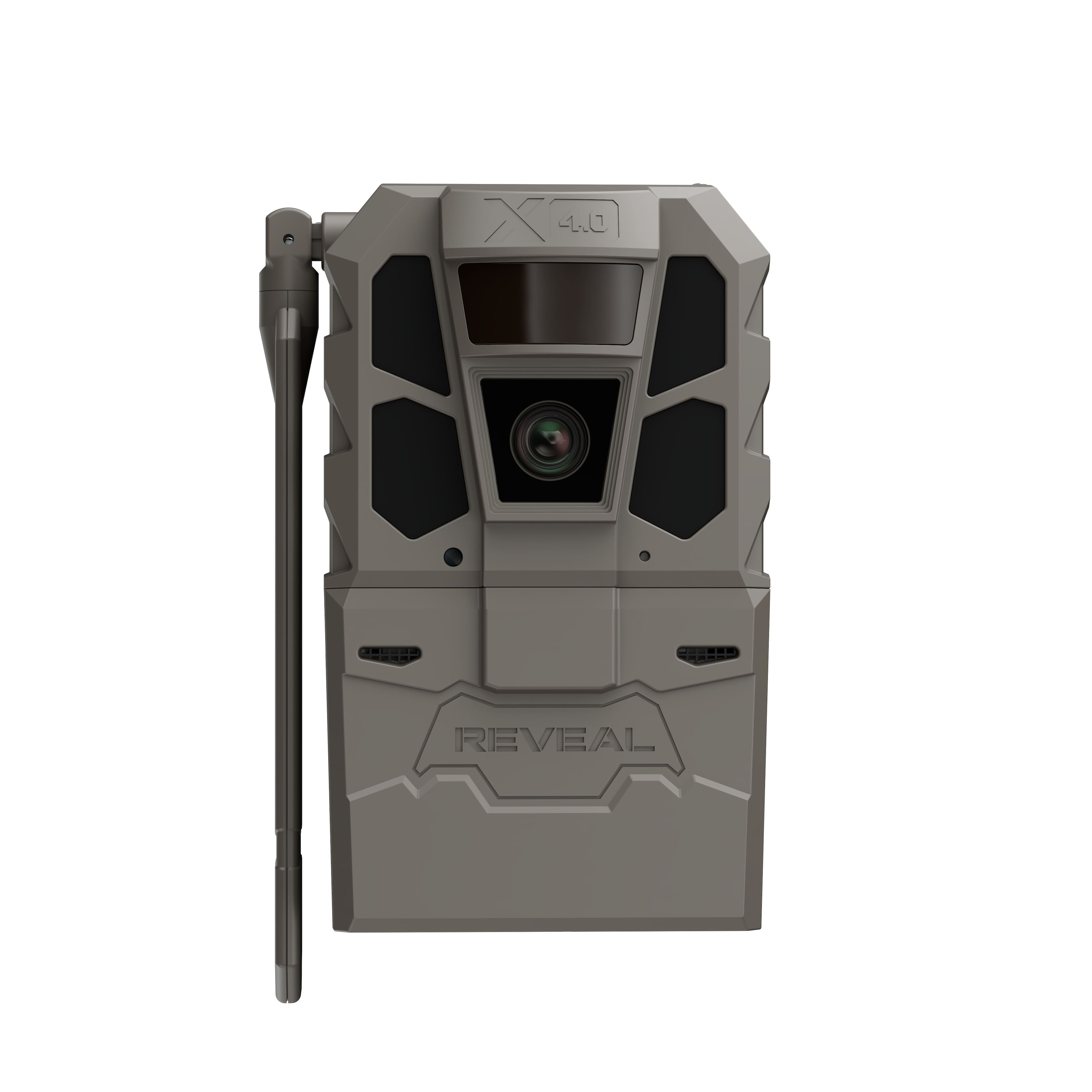
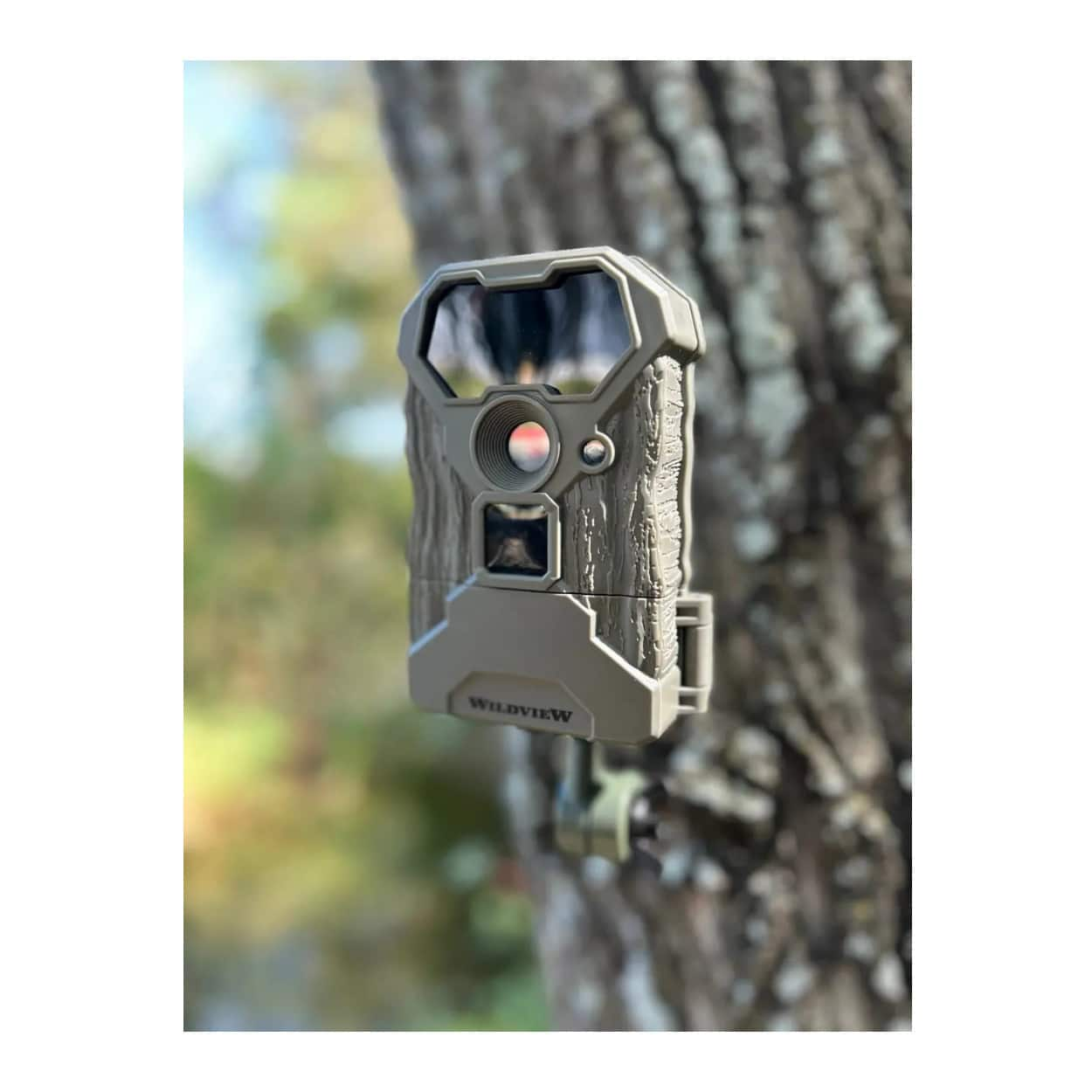
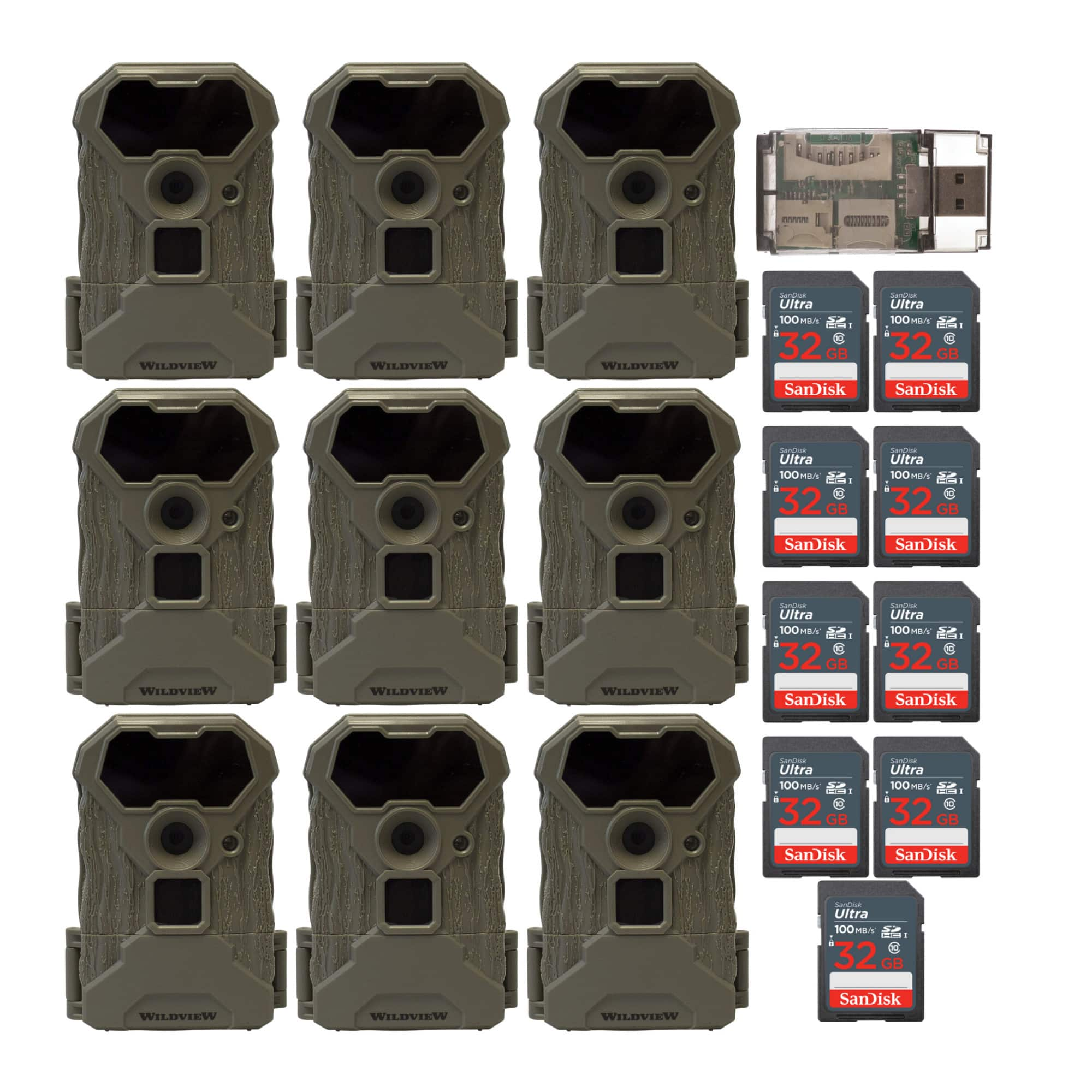
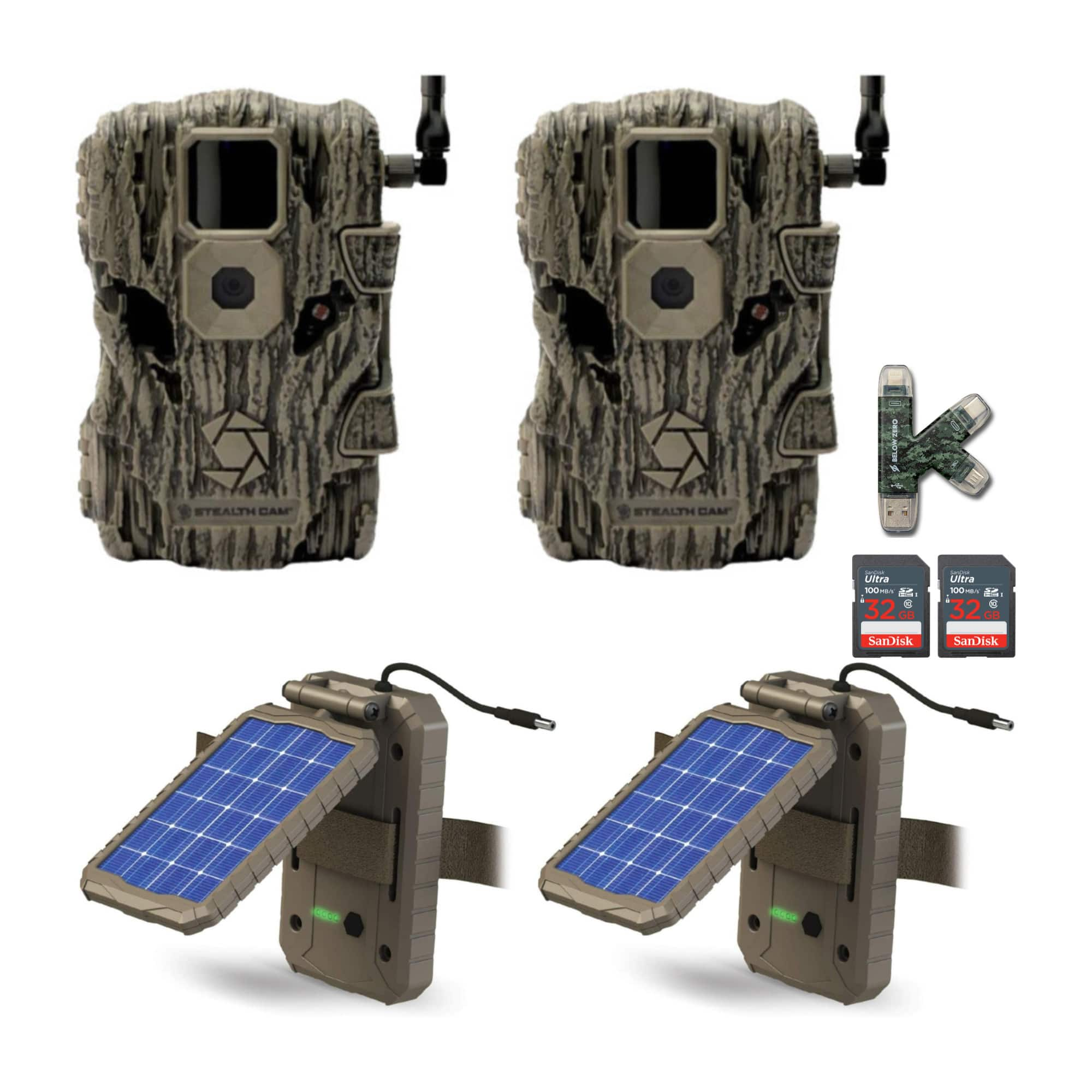
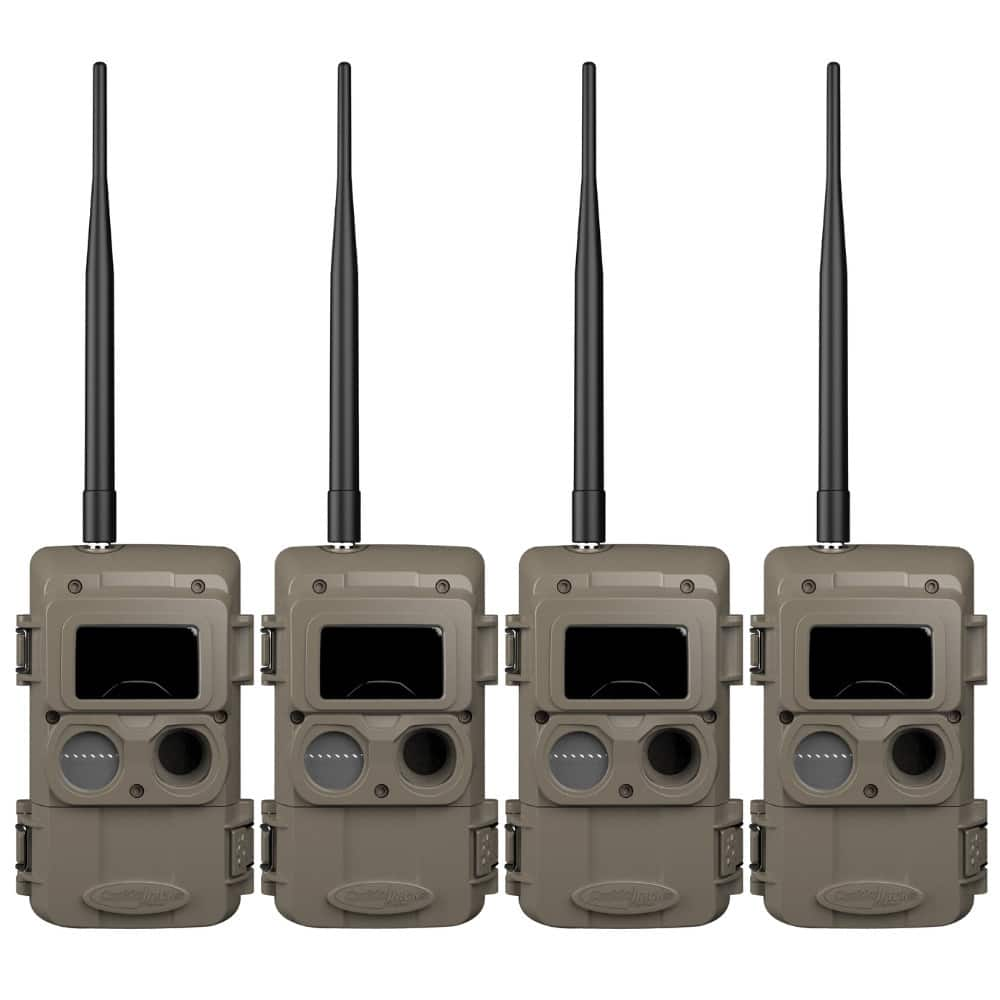
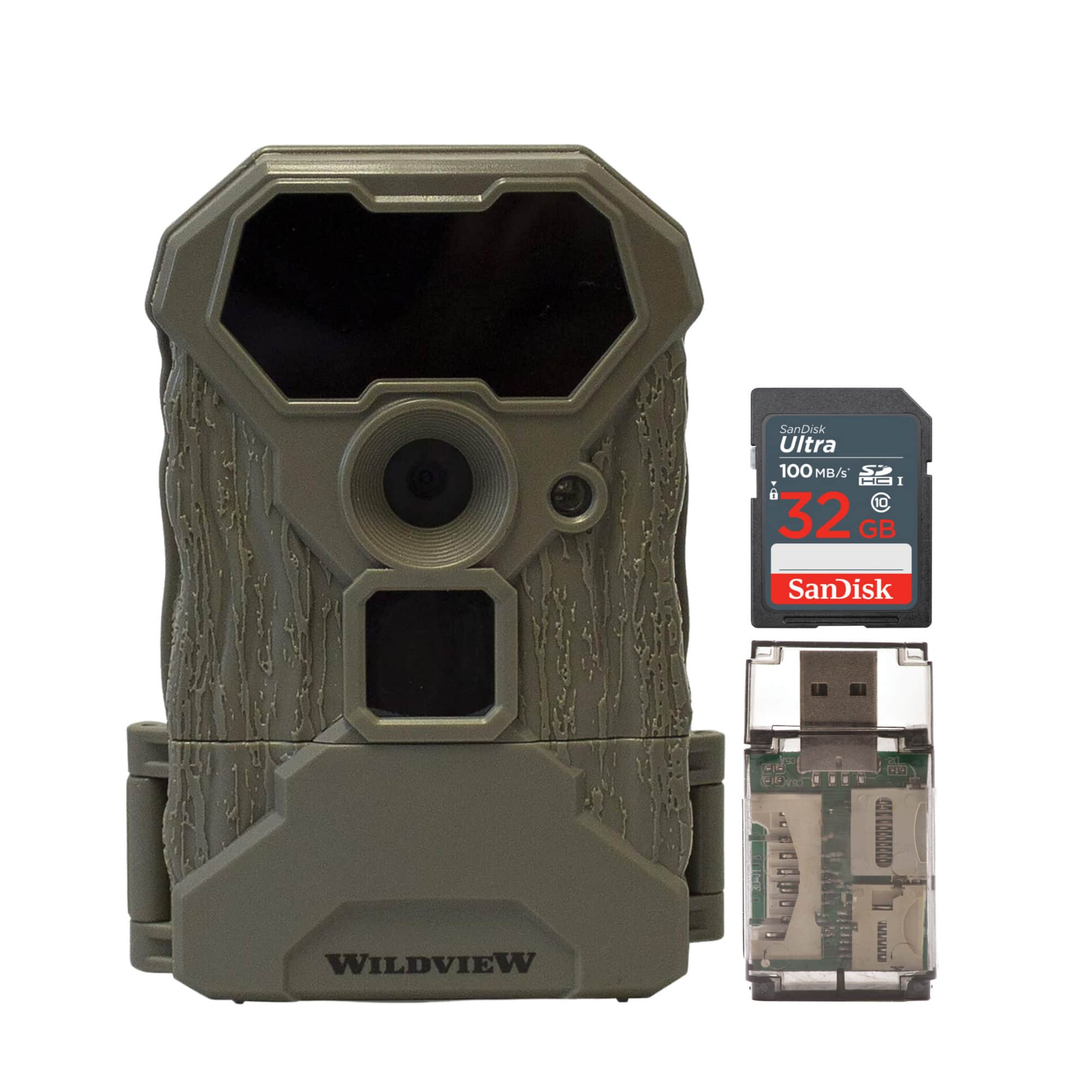
Compare trigger speed, detection range, nighttime image quality, battery requirements and weather resistance. Standard trail cameras typically store images locally, while cellular models may transmit images using a compatible cellular network and a separate service plan. Check the model’s requirements and local rules for trail camera use before choosing.
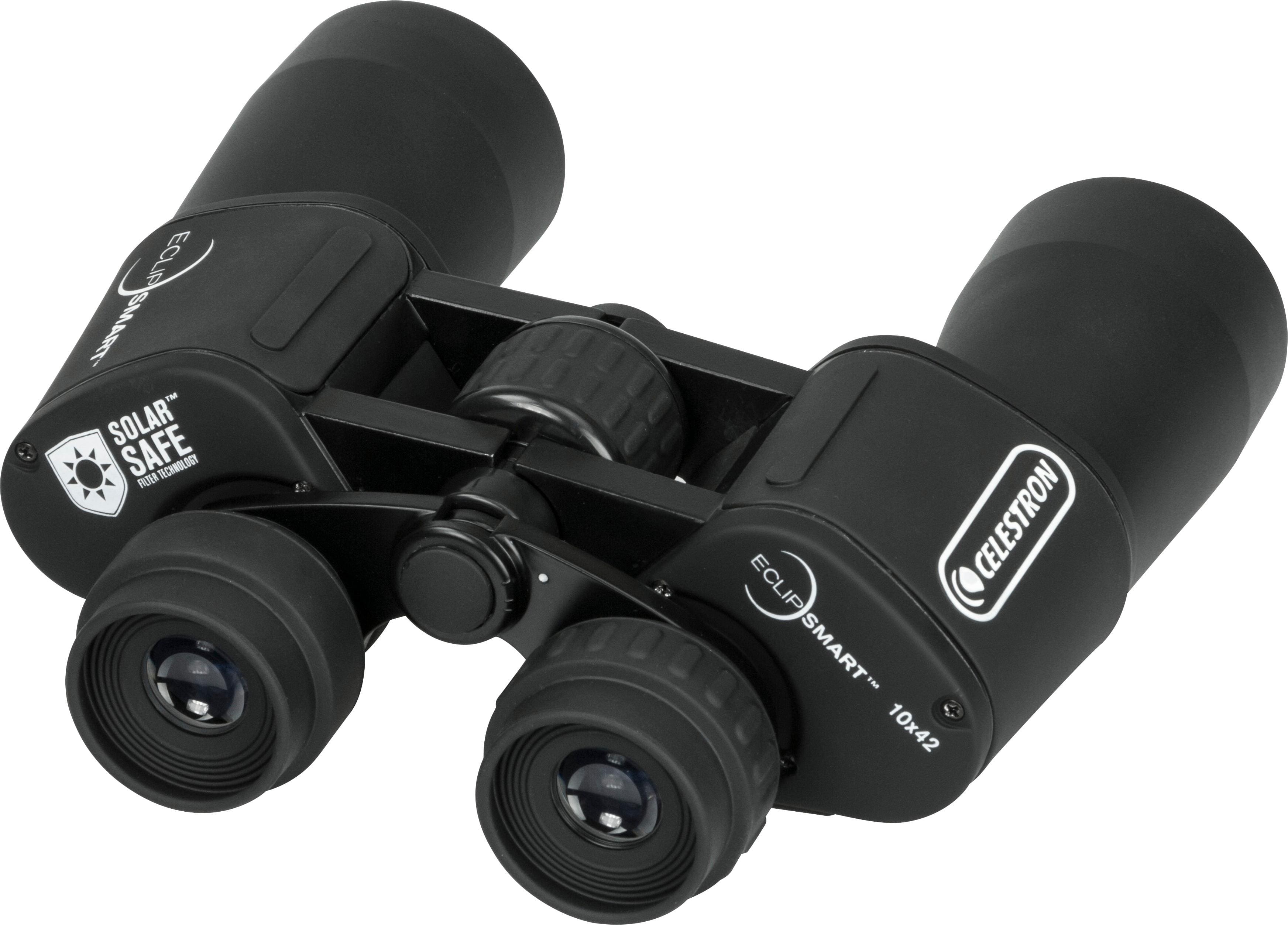
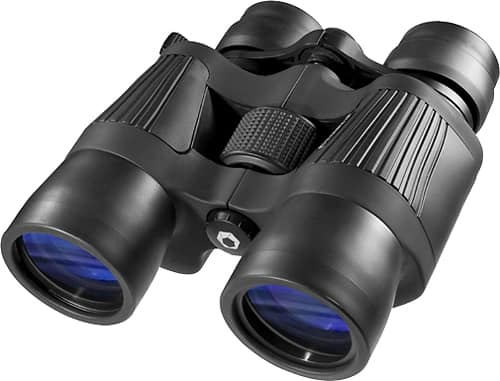
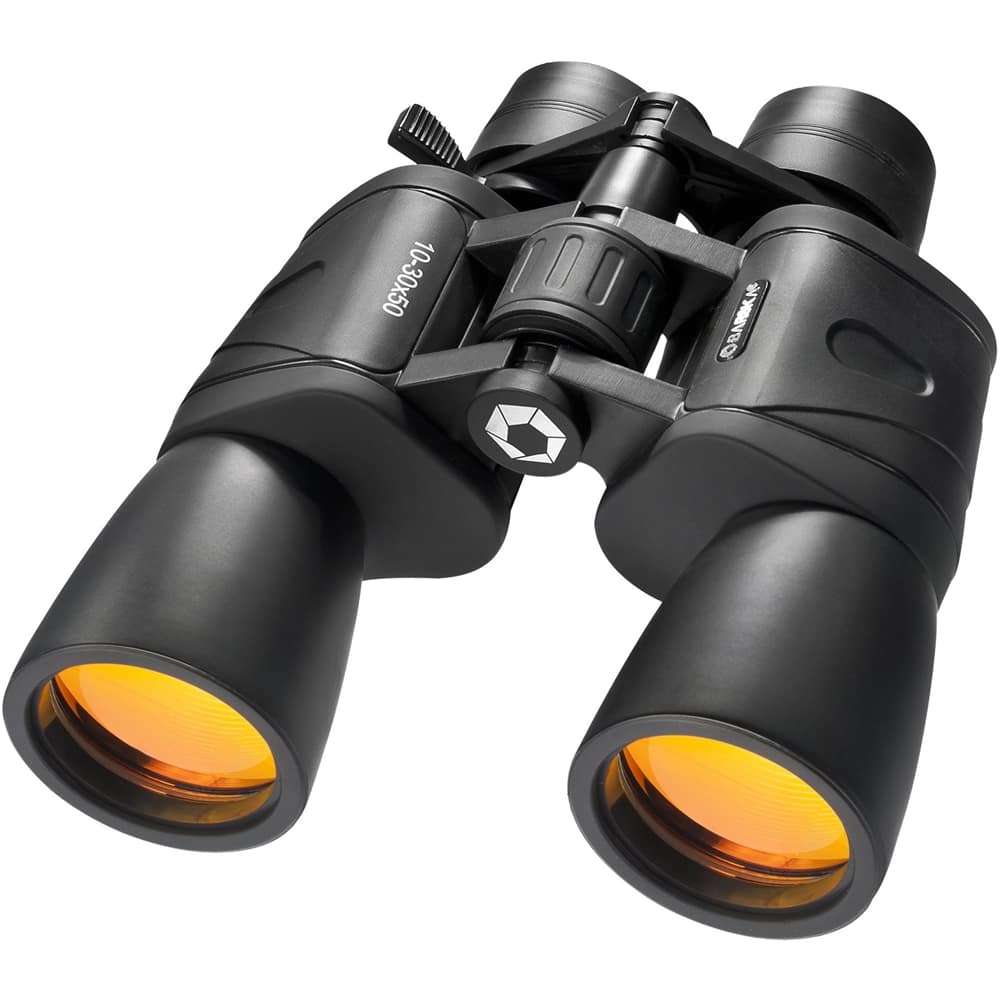
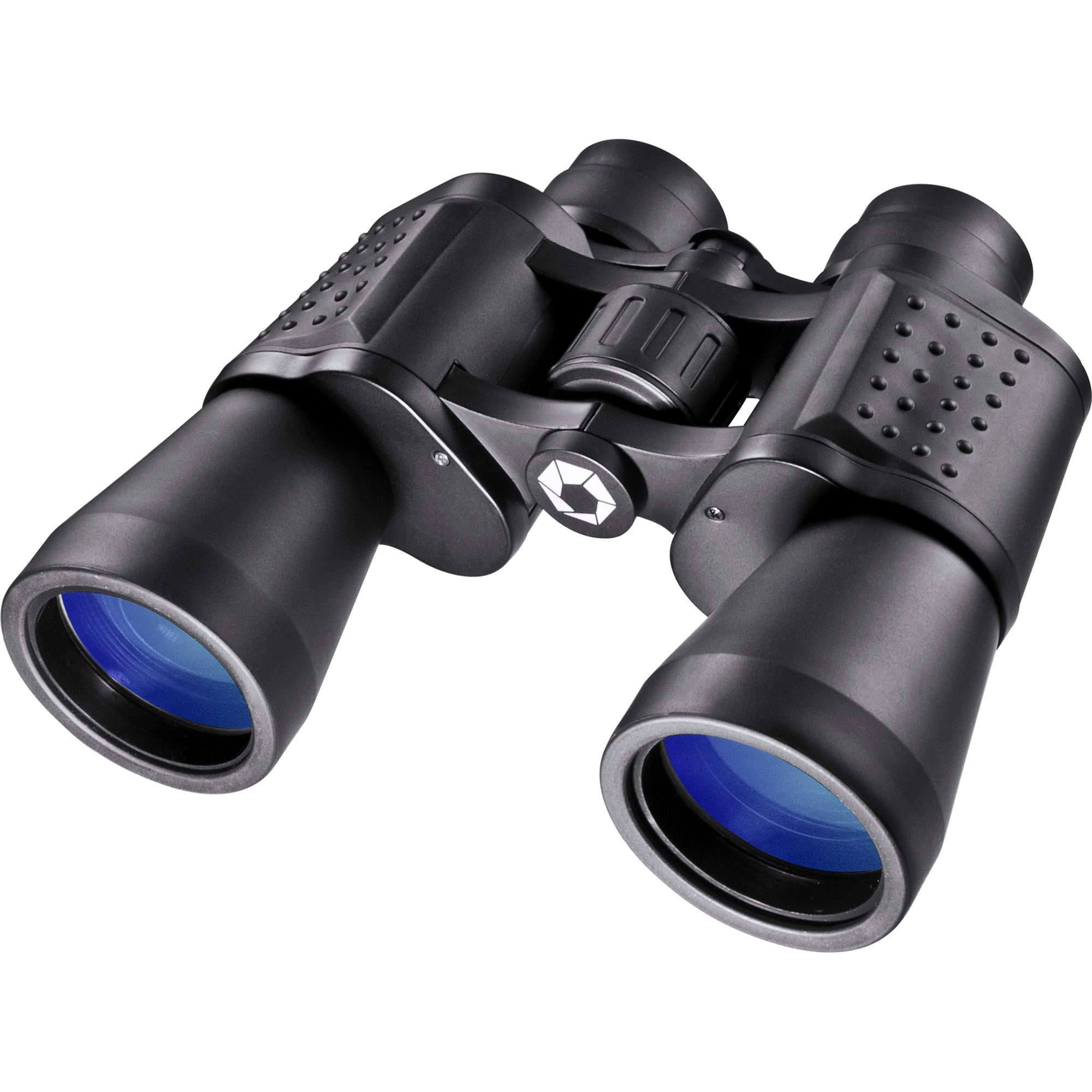
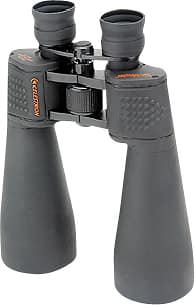
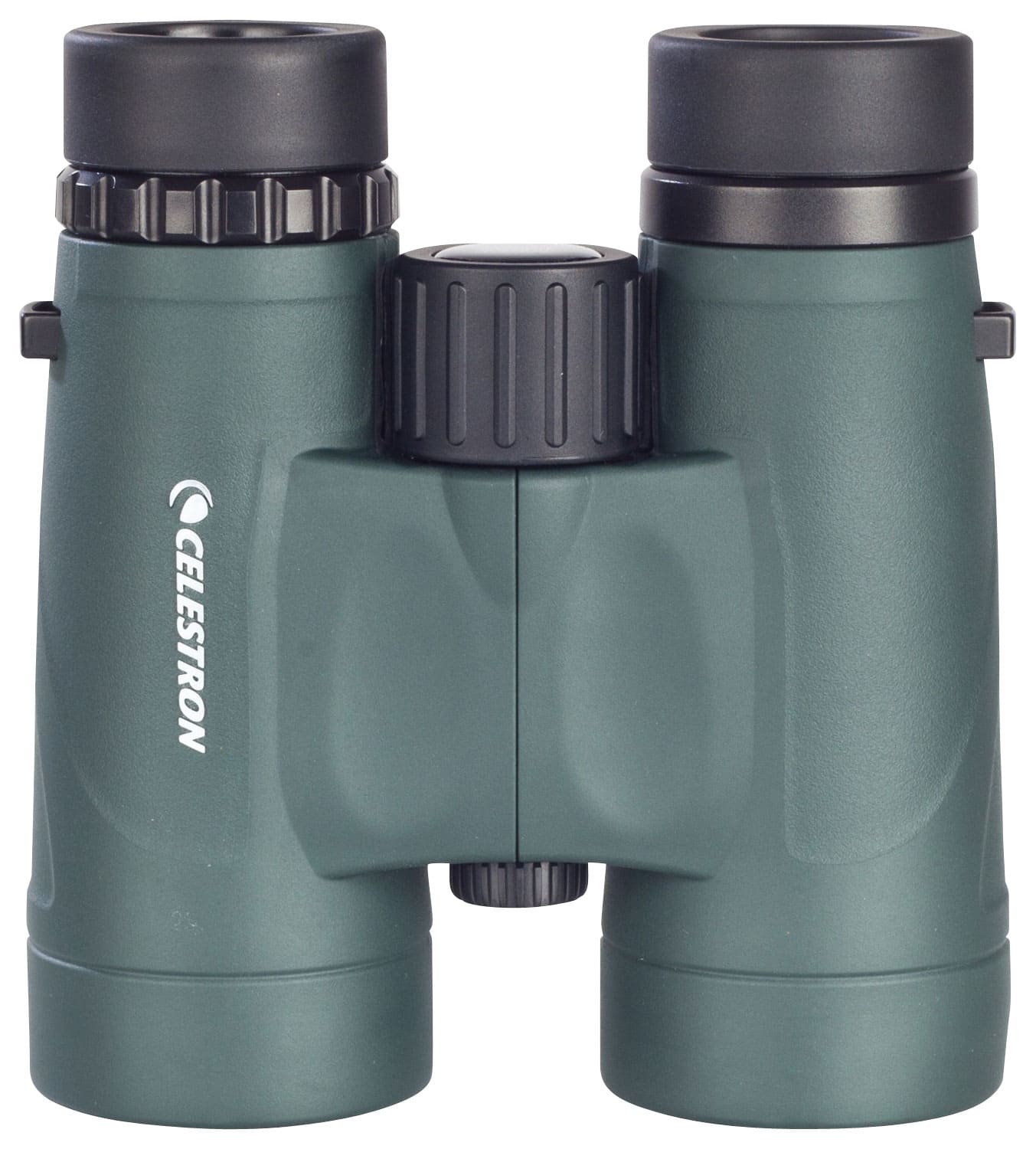
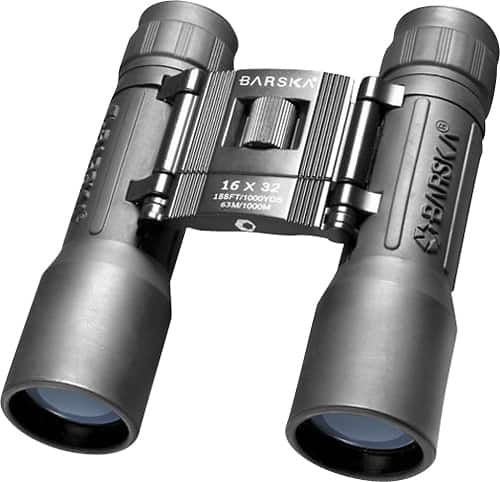
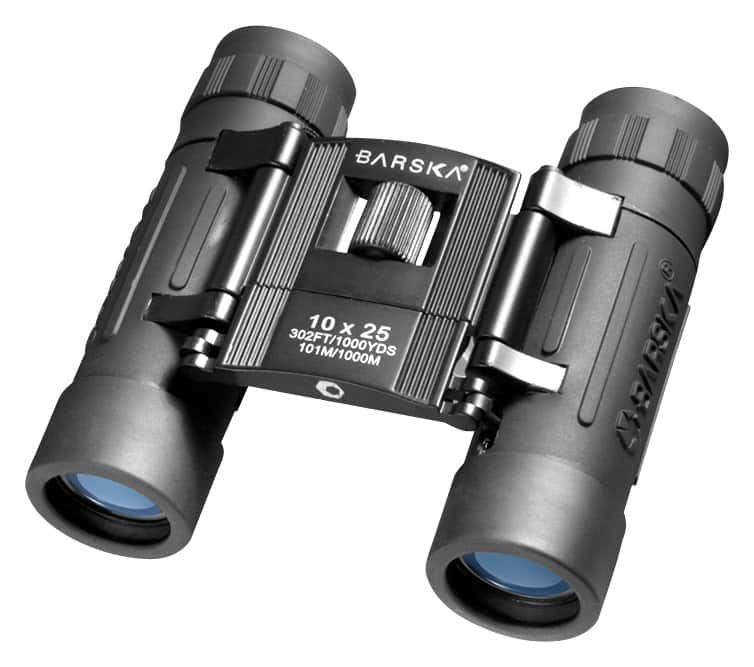
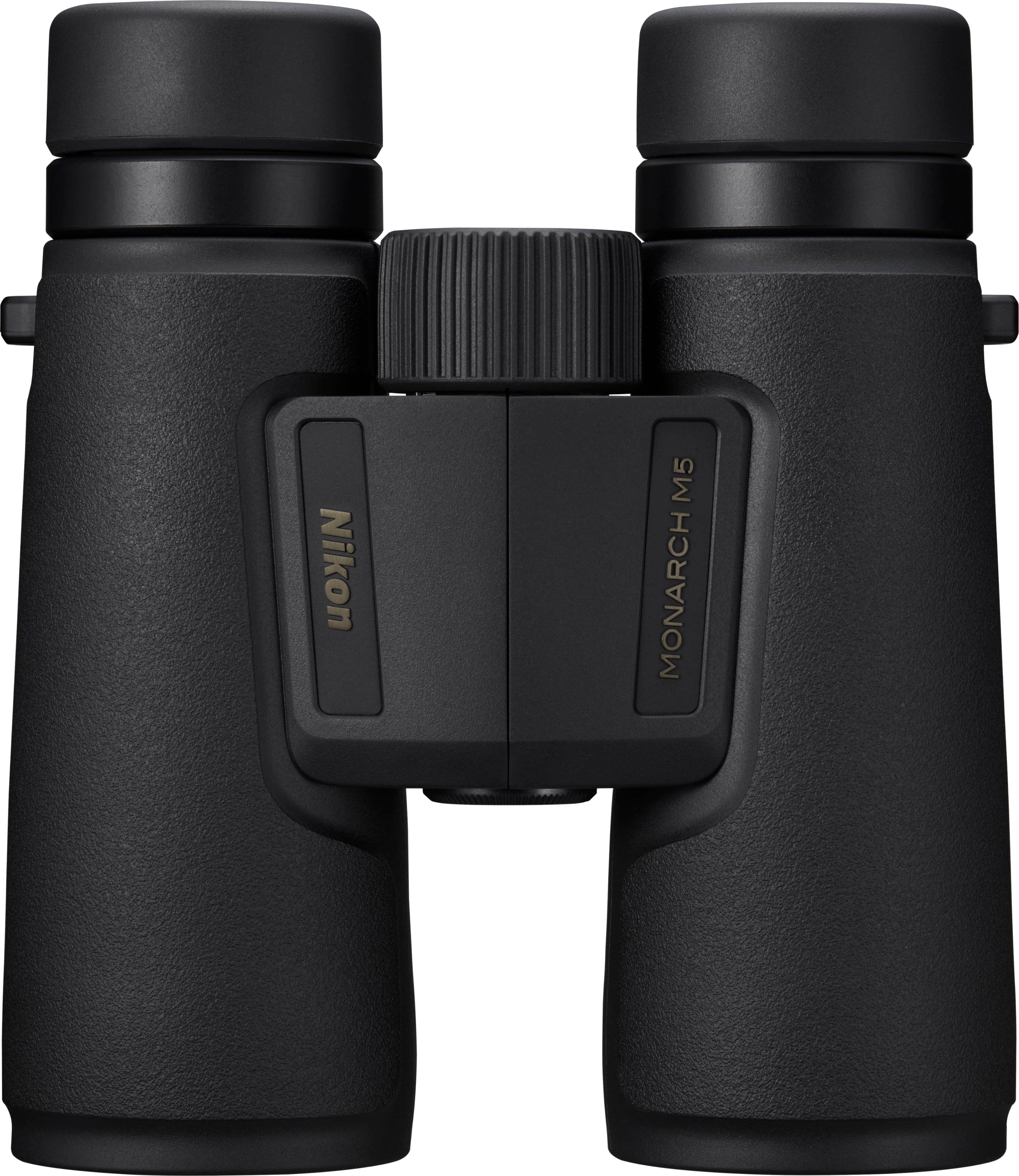
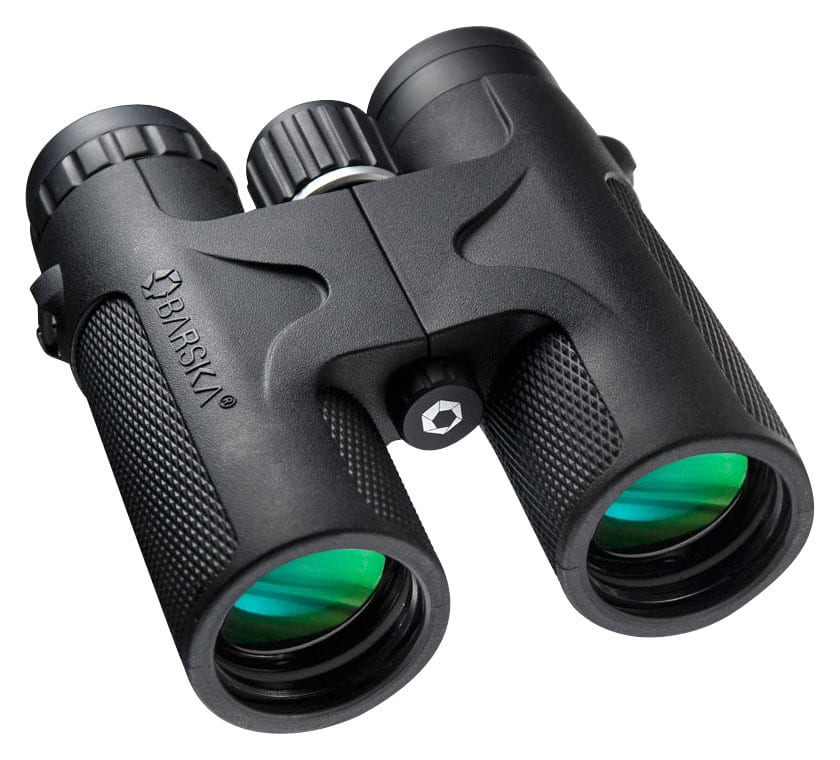
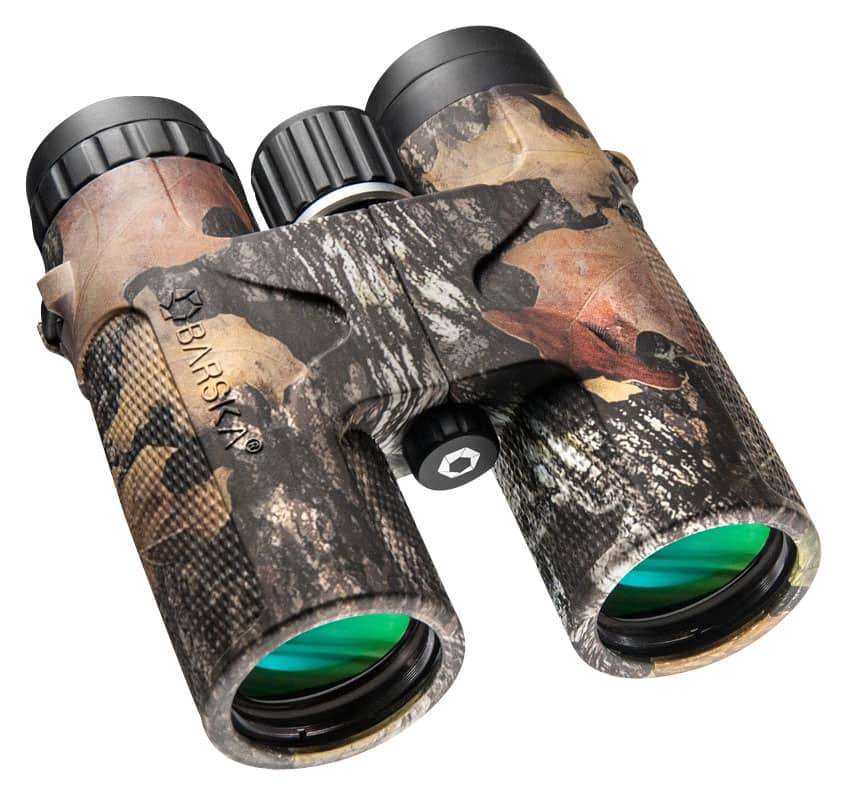
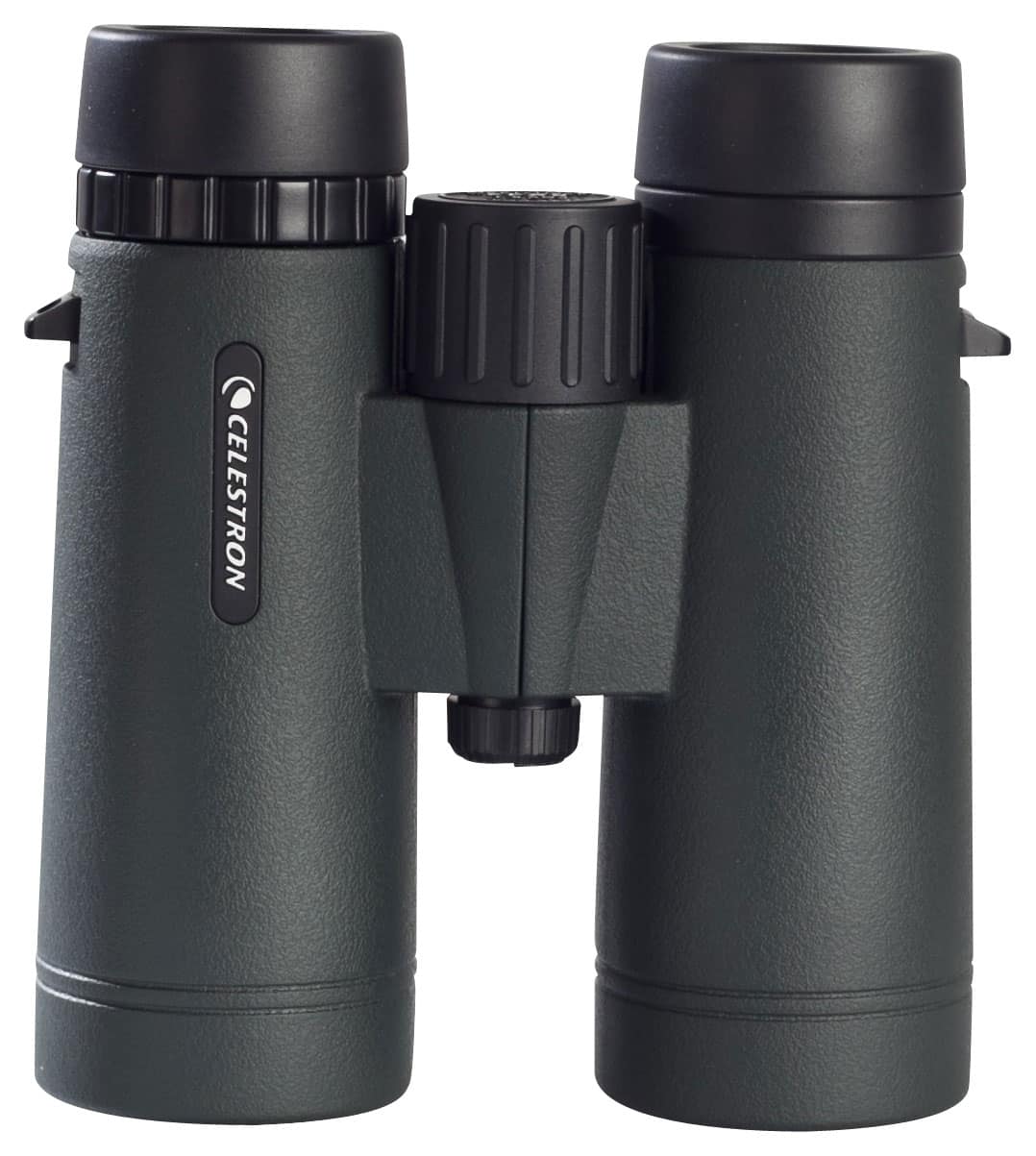
Consider magnification, objective lens size, field of view and weight together. Higher magnification can reveal more detail, but it can also make handheld views harder to keep steady. A wider field of view can make moving wildlife easier to follow. Check waterproofing and fog-resistance specifications for the conditions you expect.
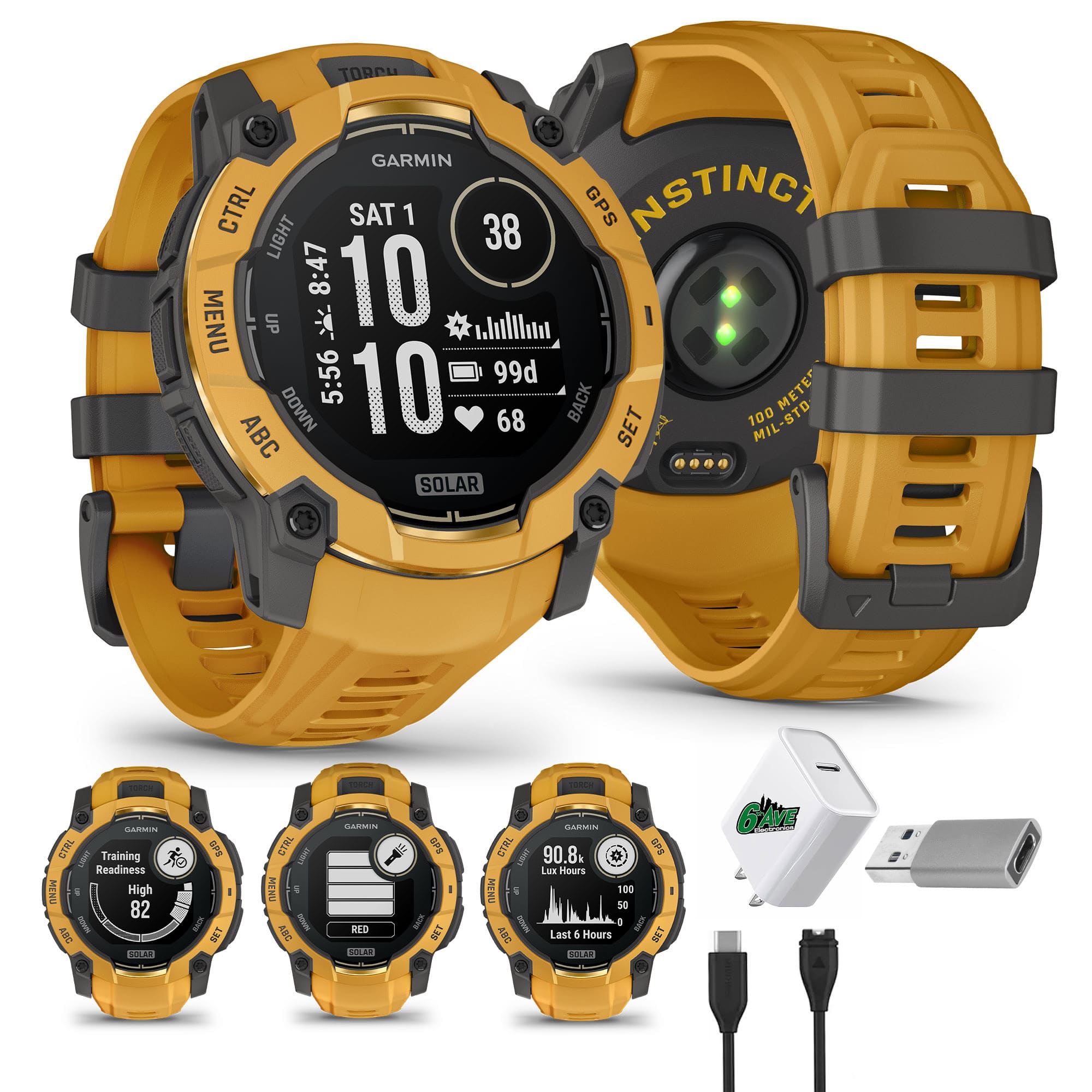
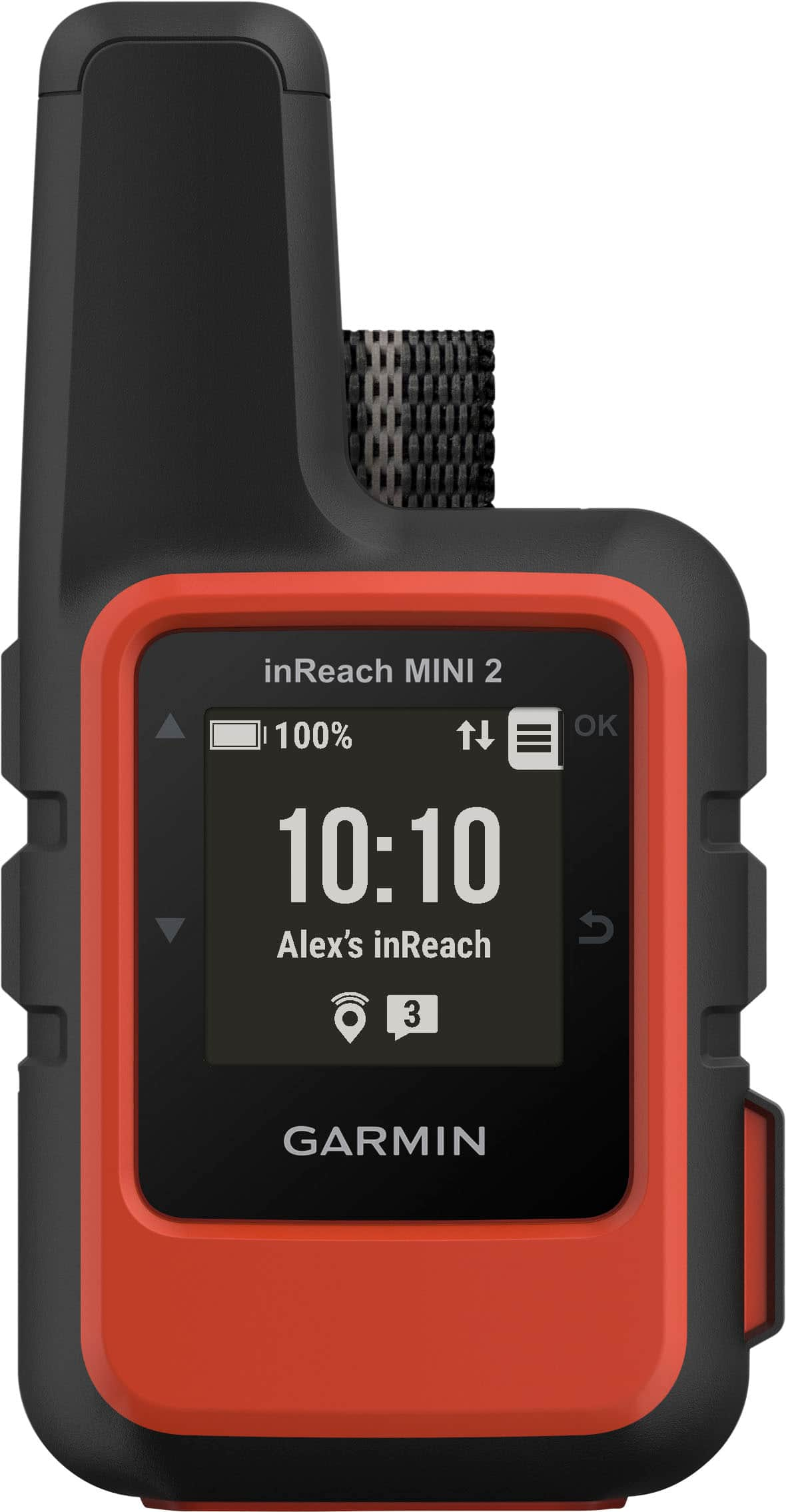
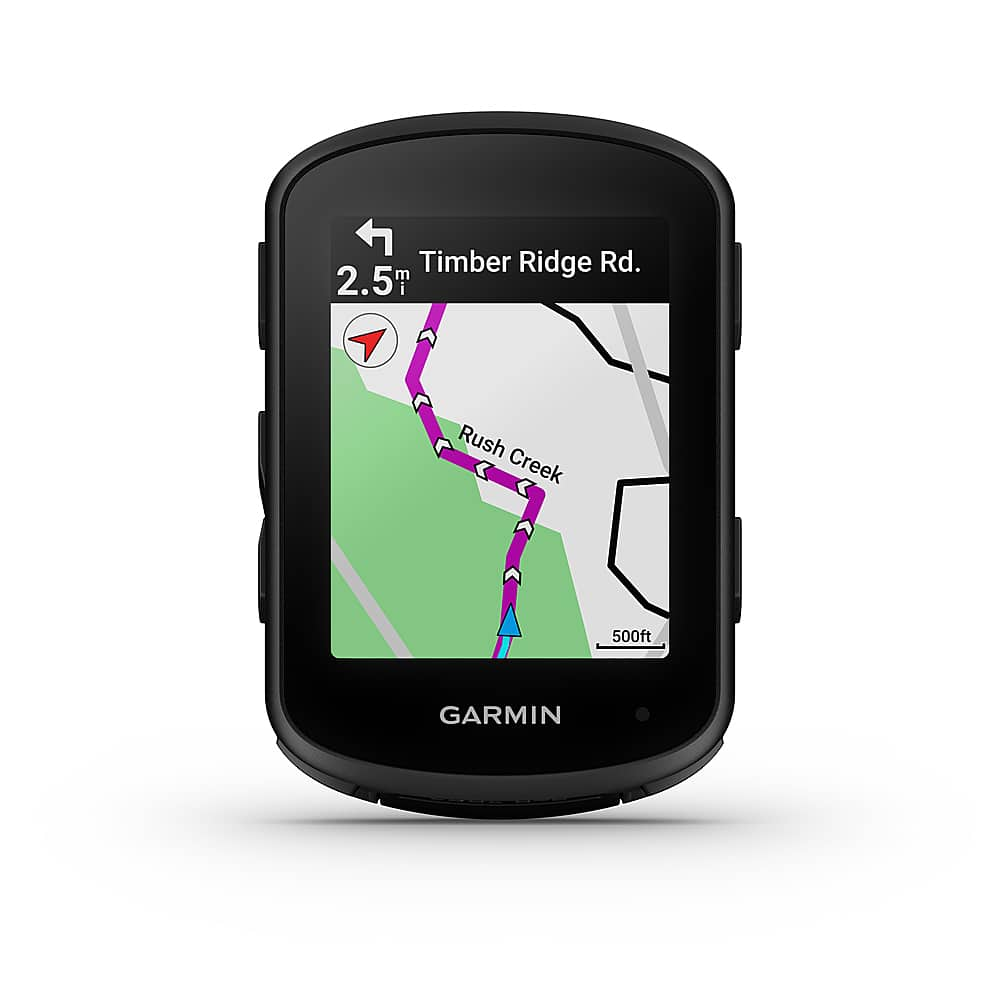
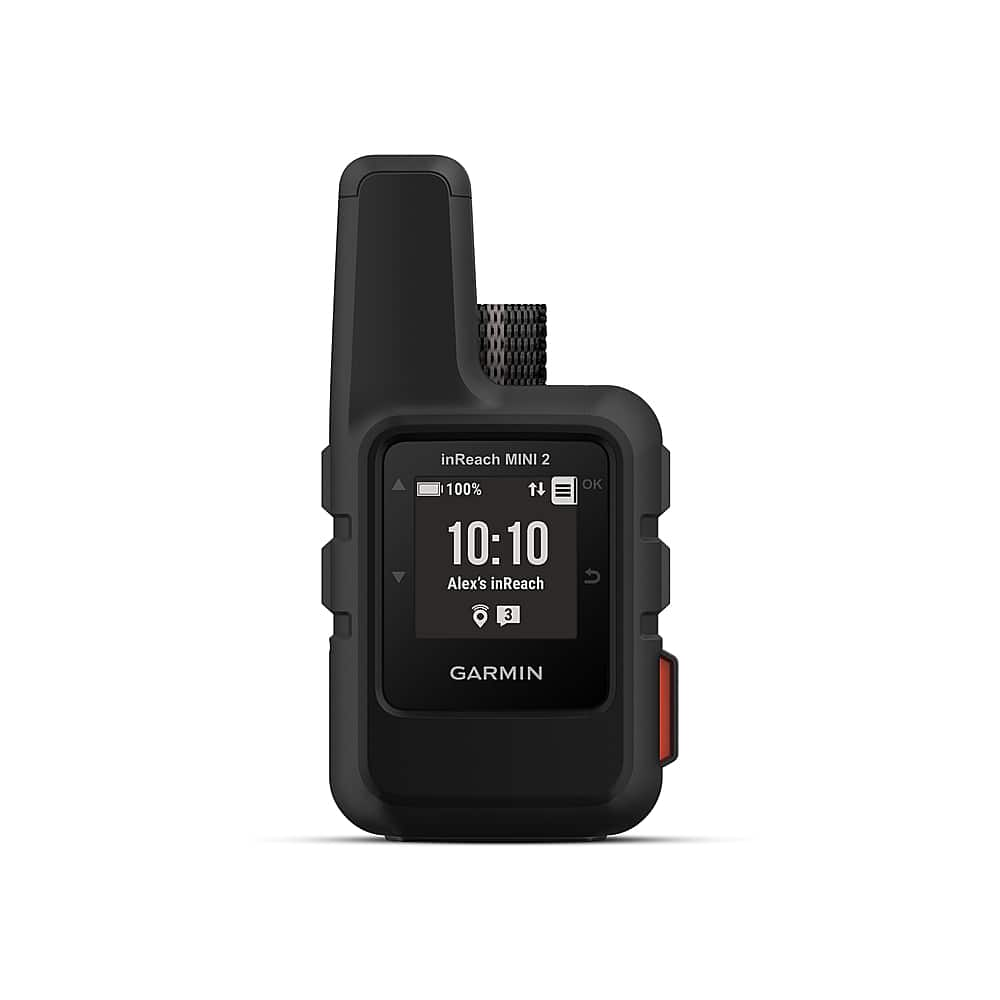
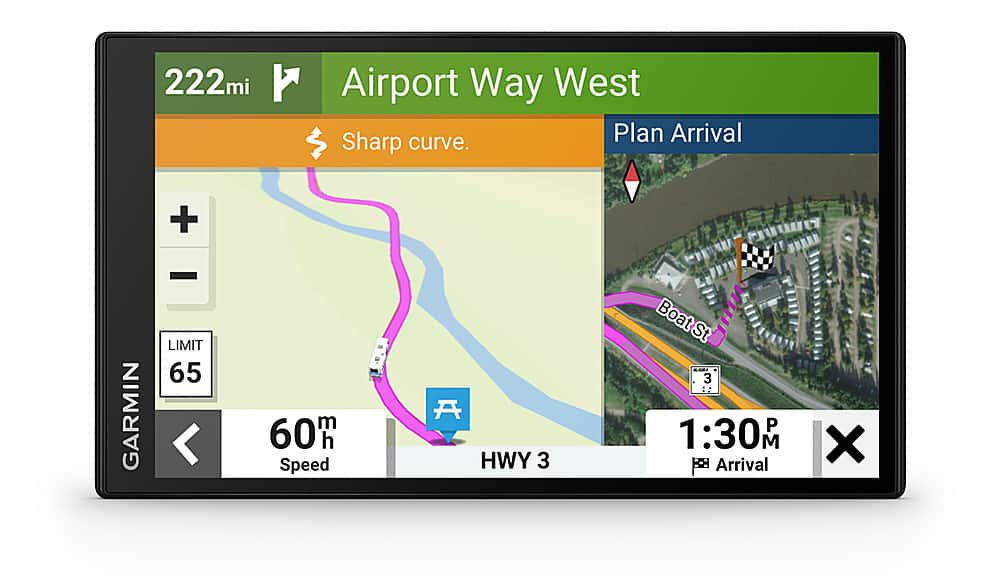
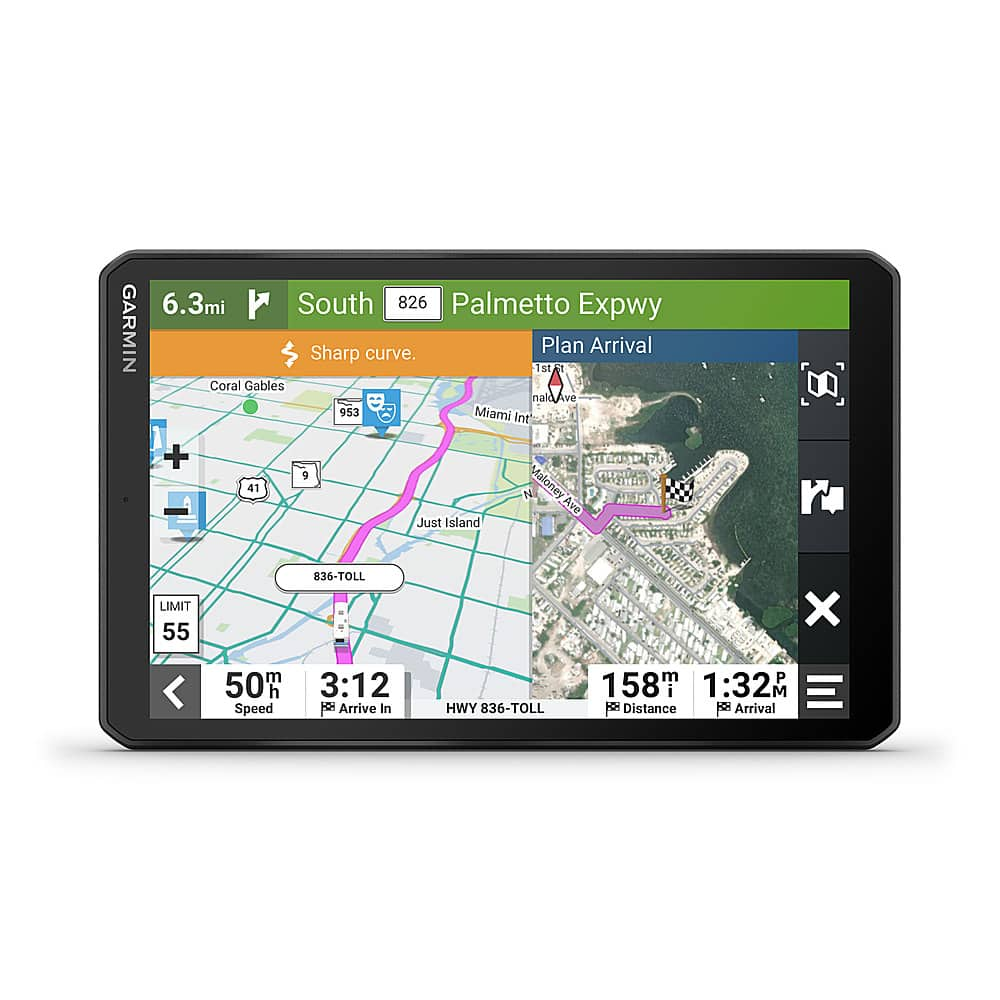
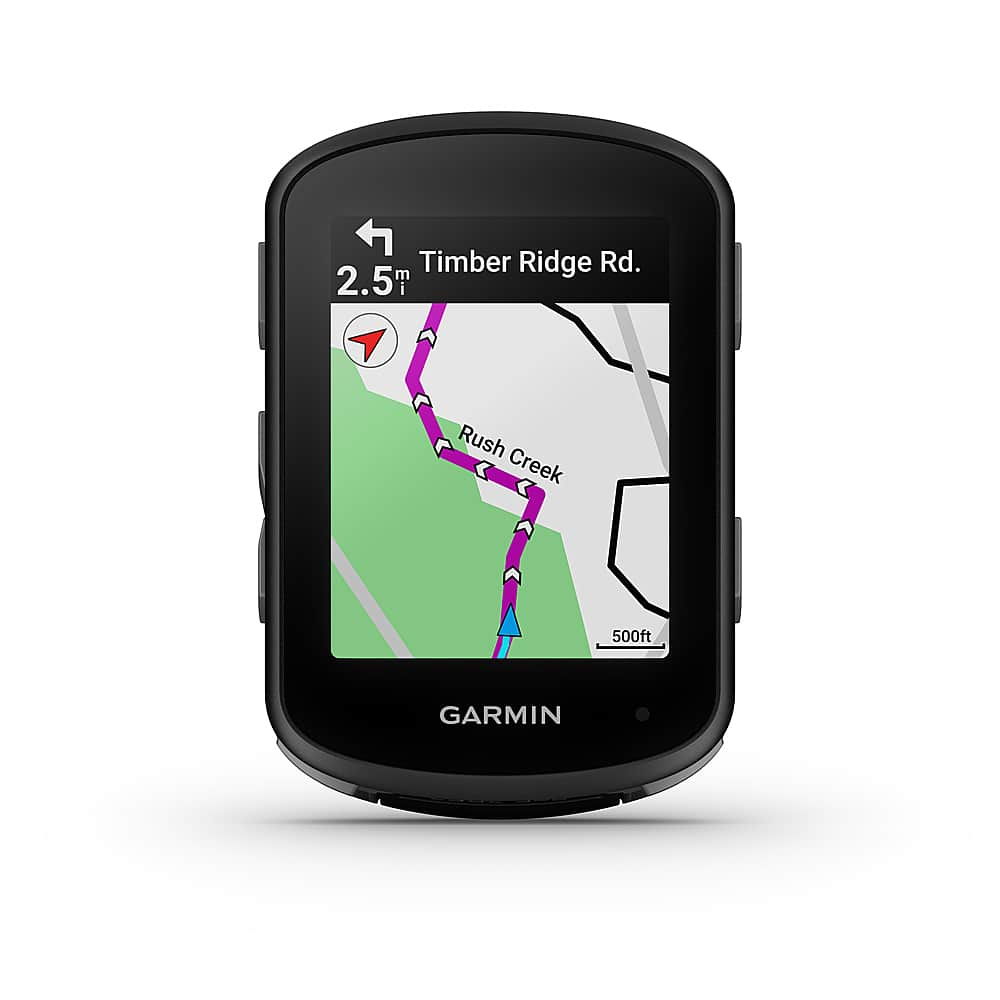
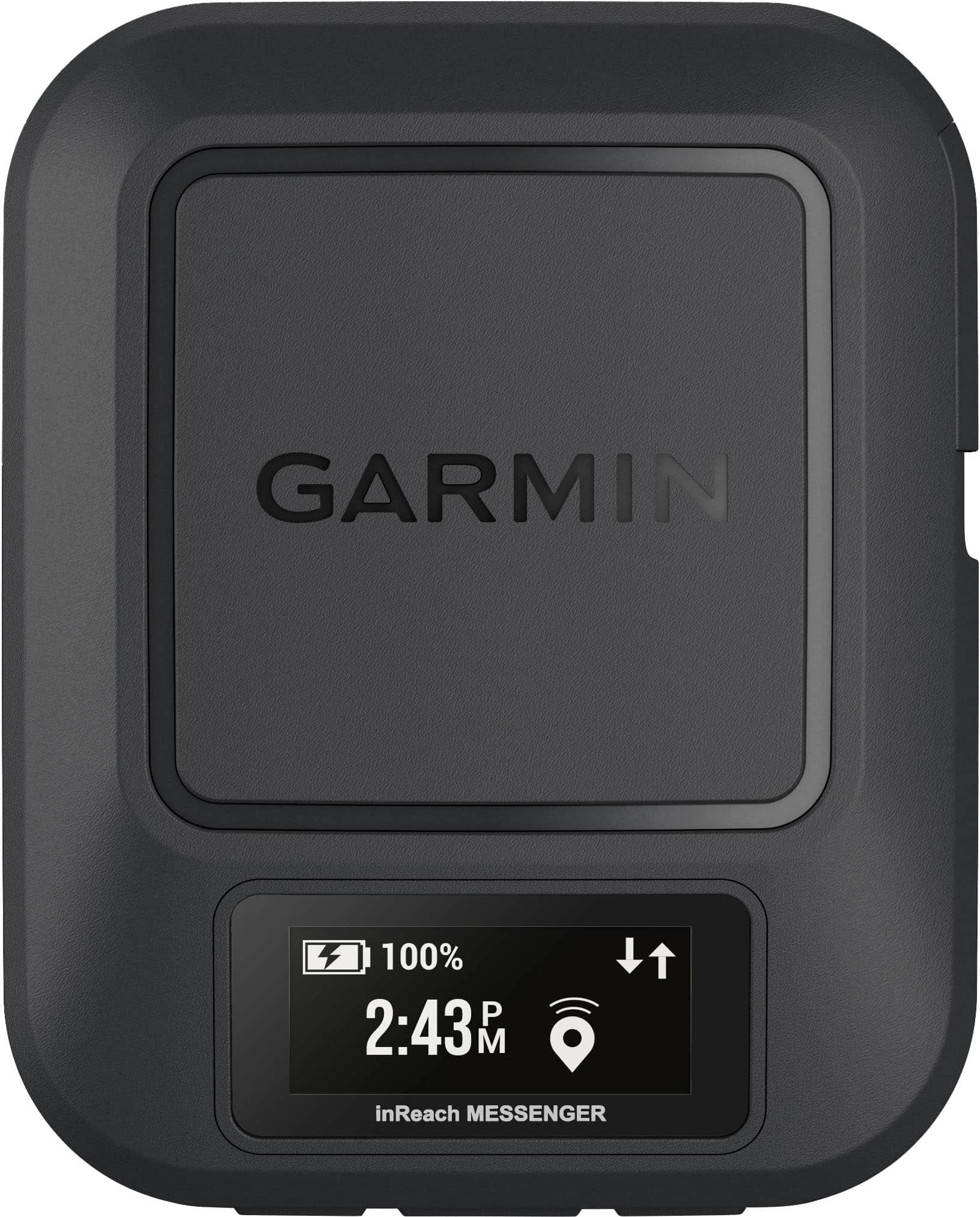
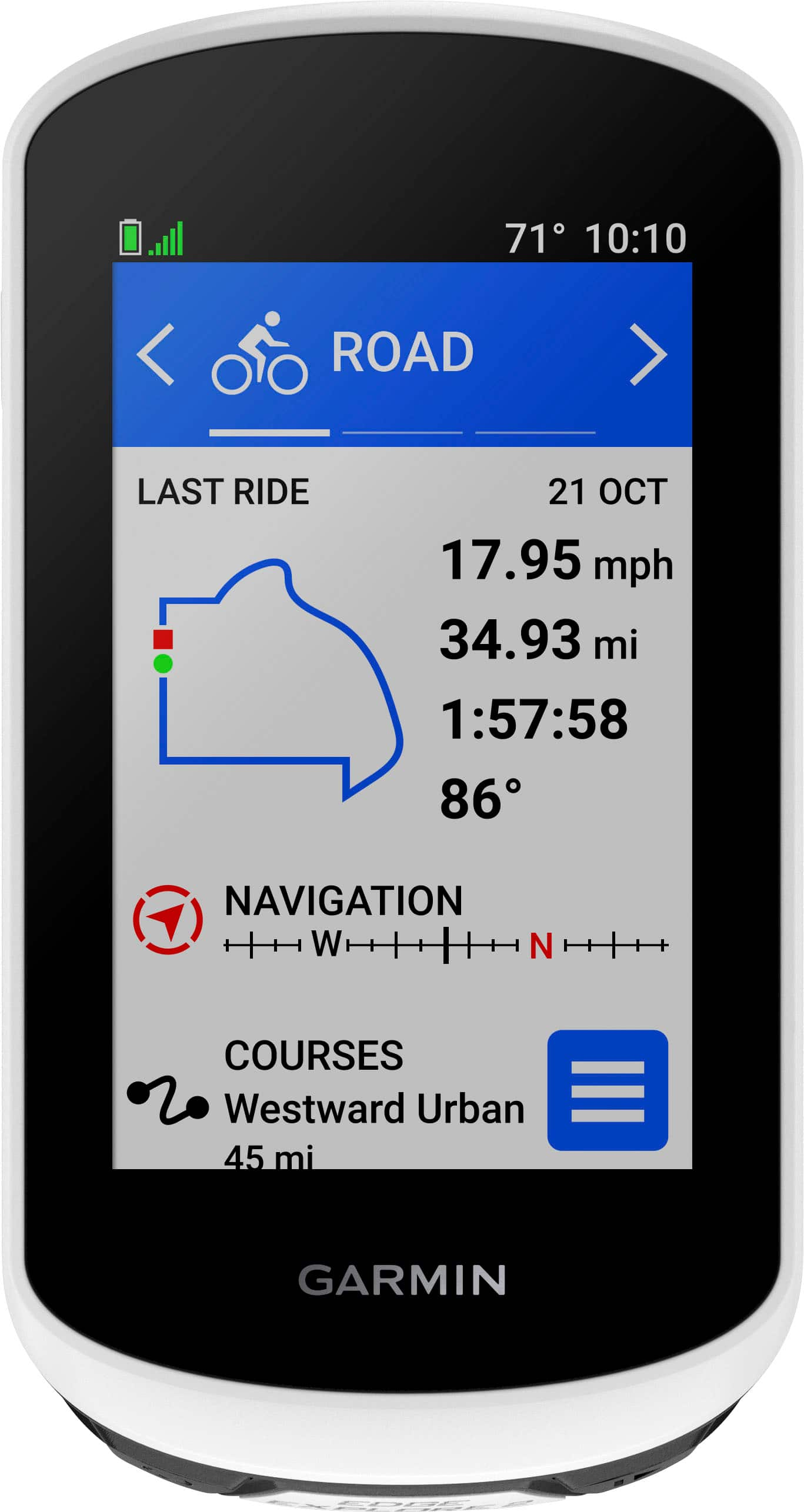
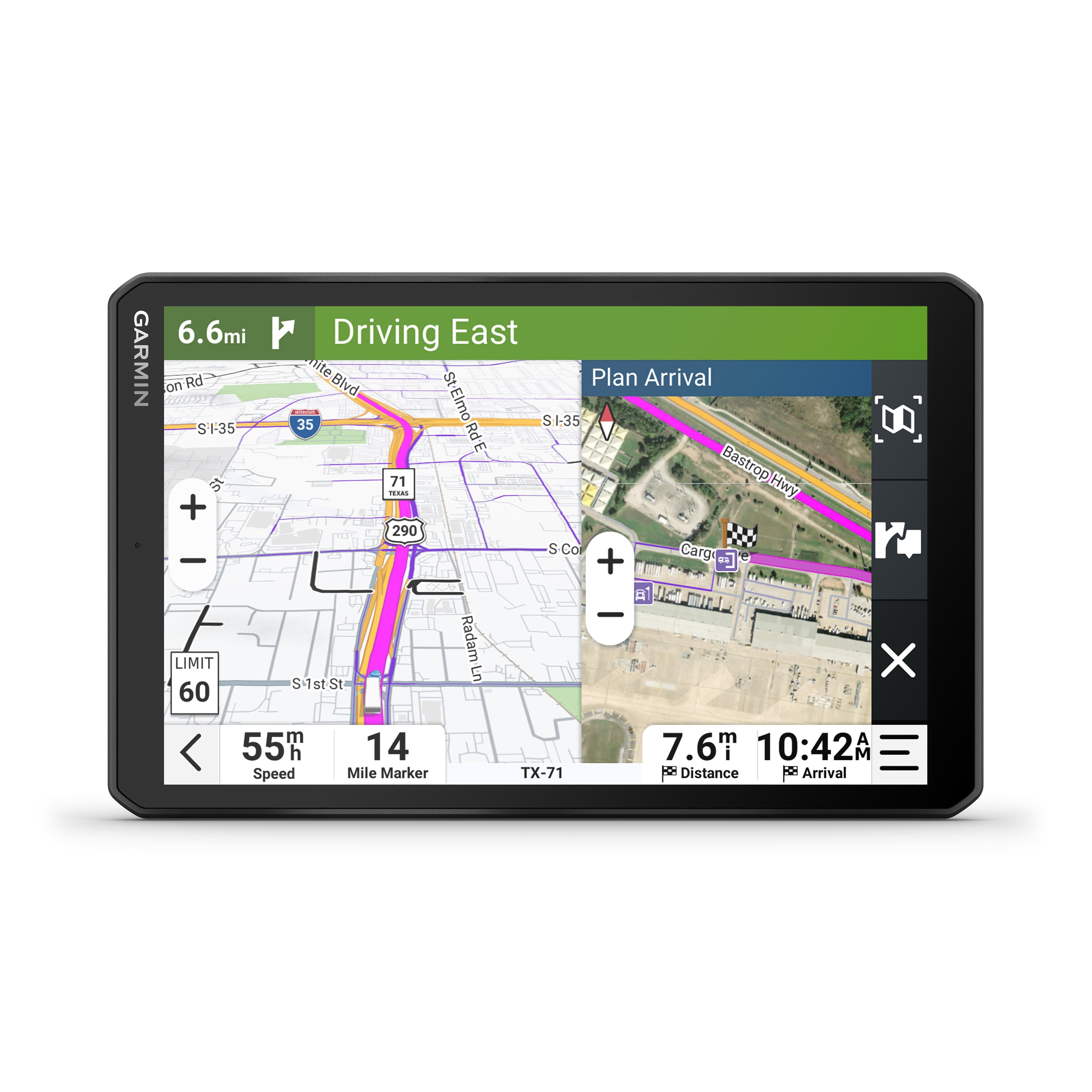
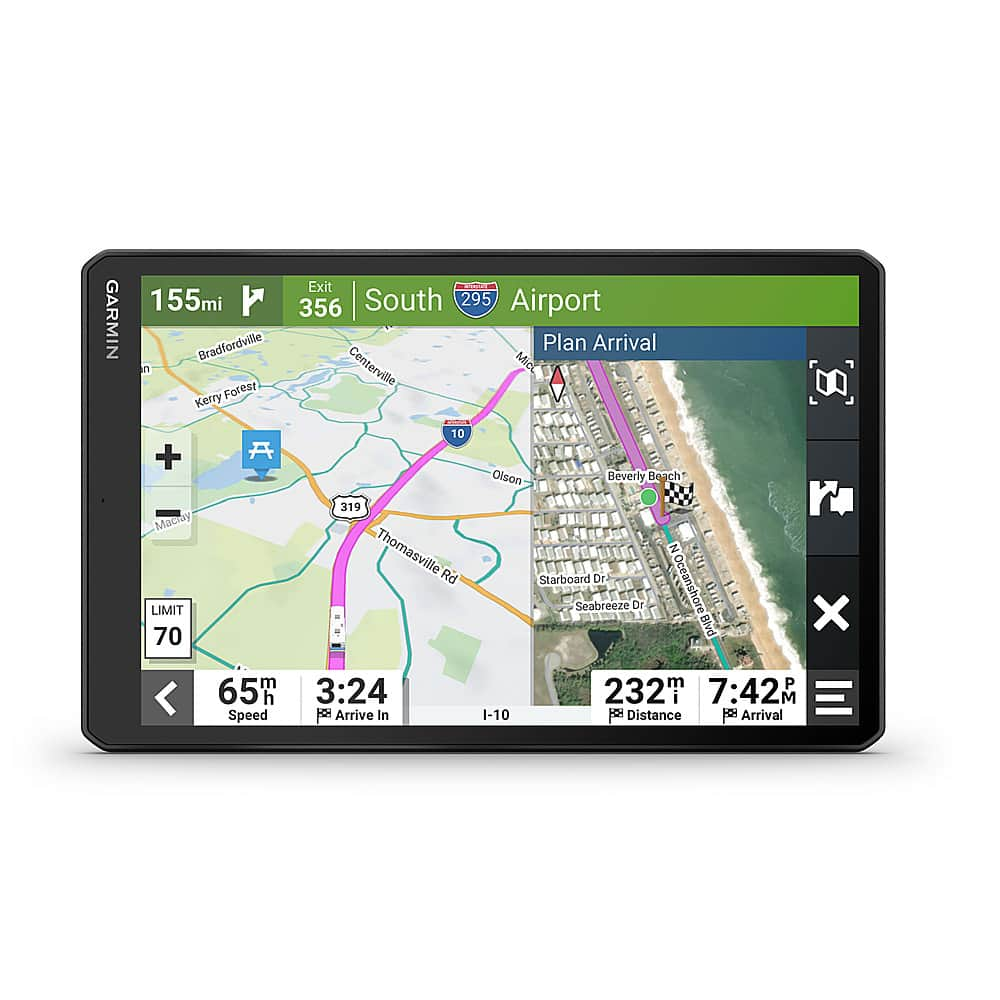
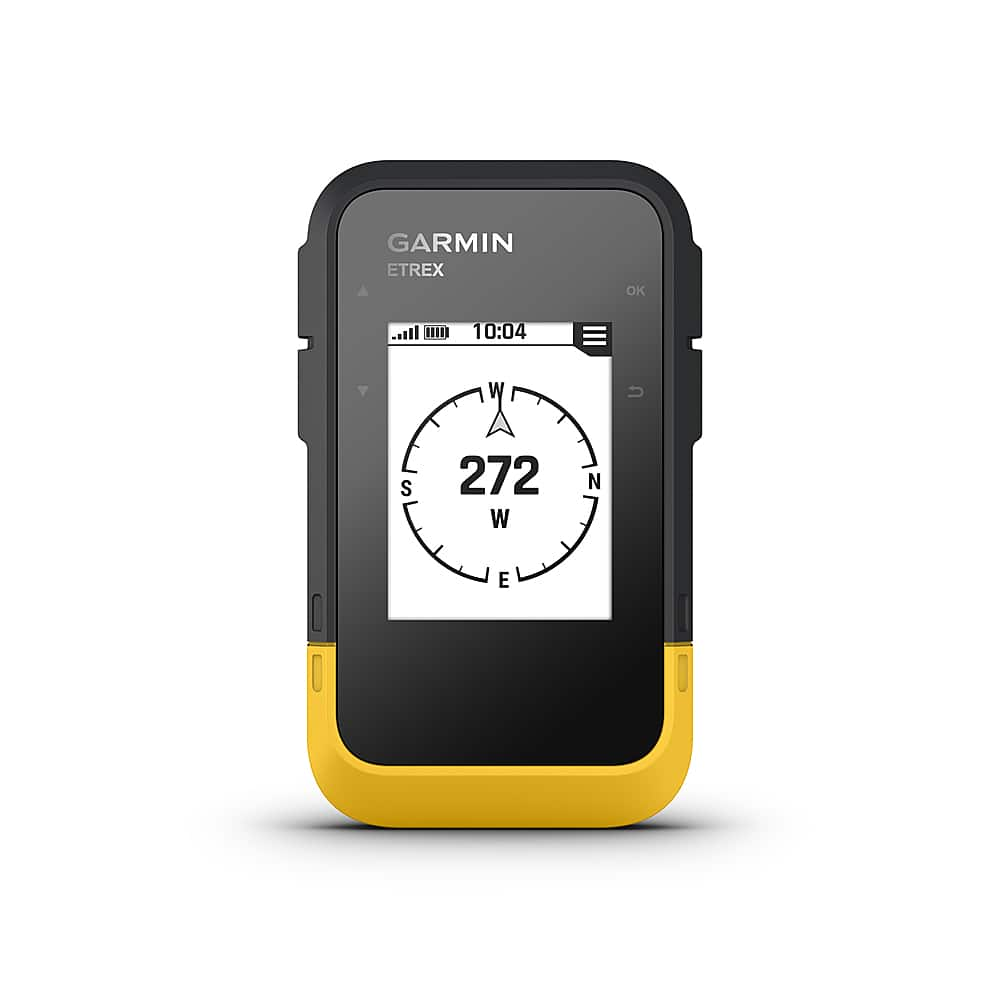
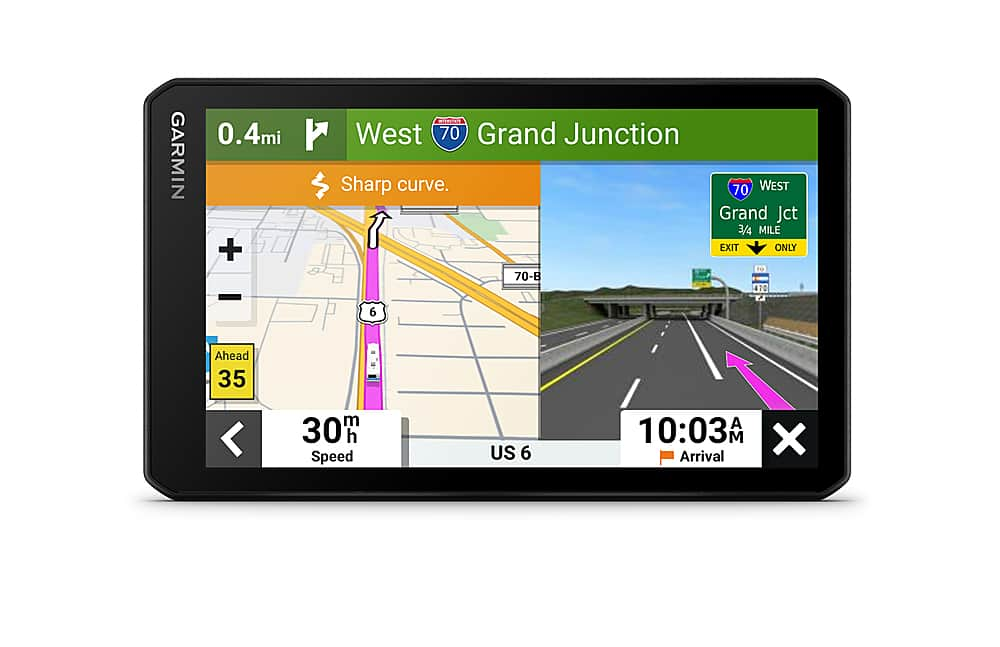
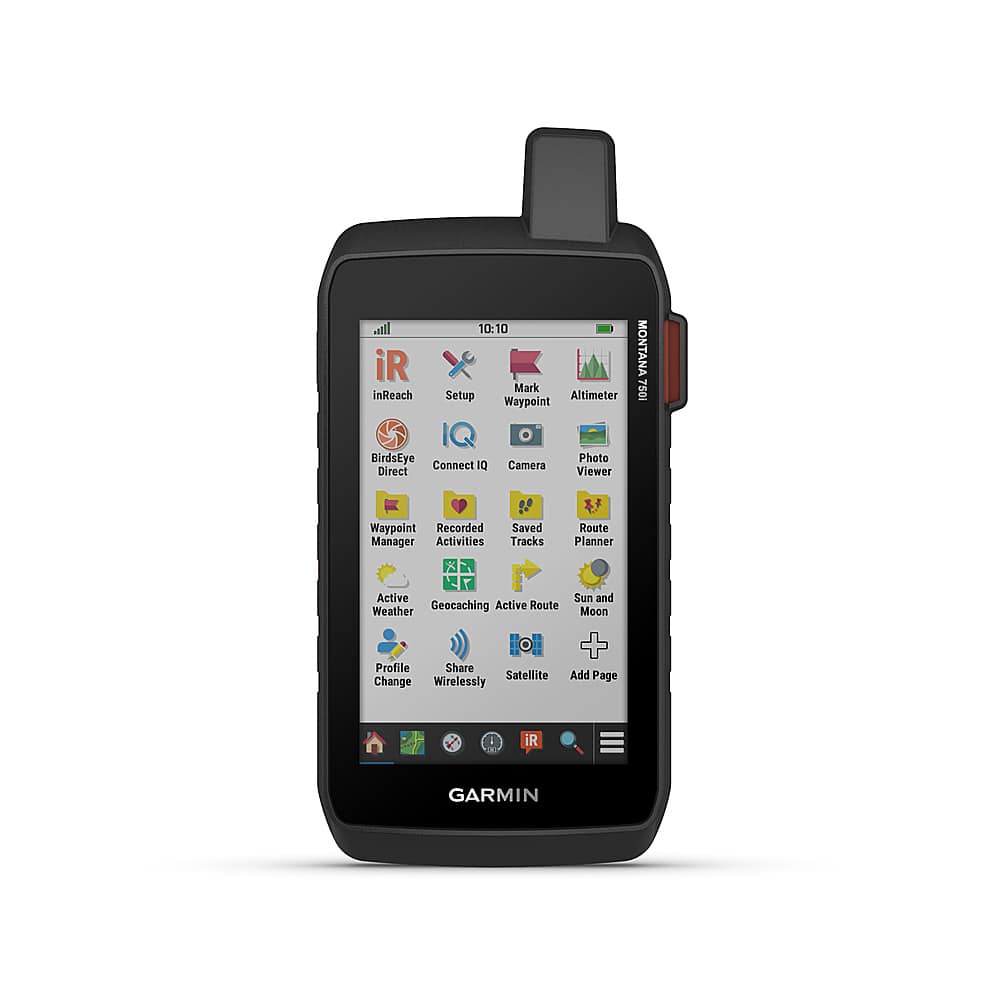
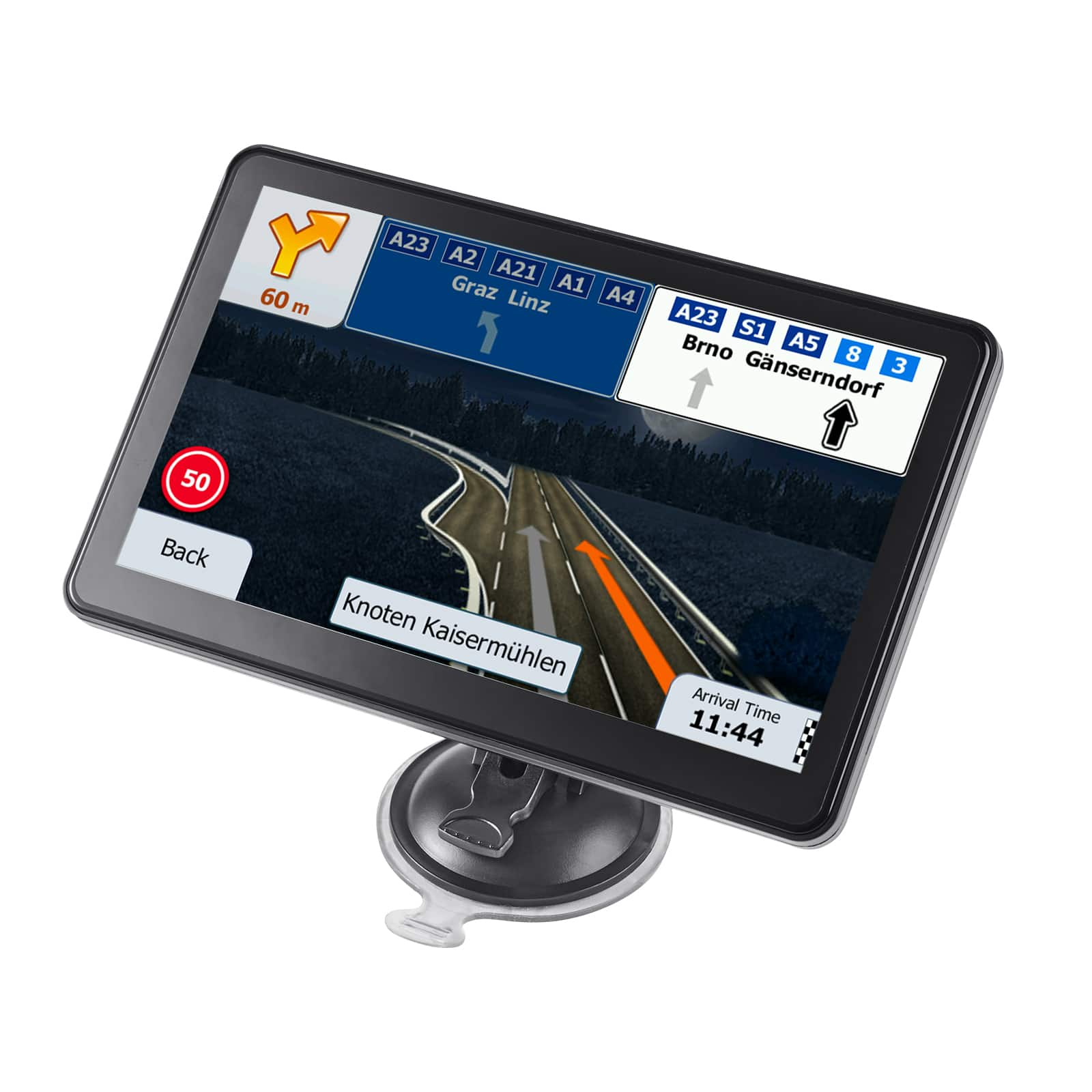
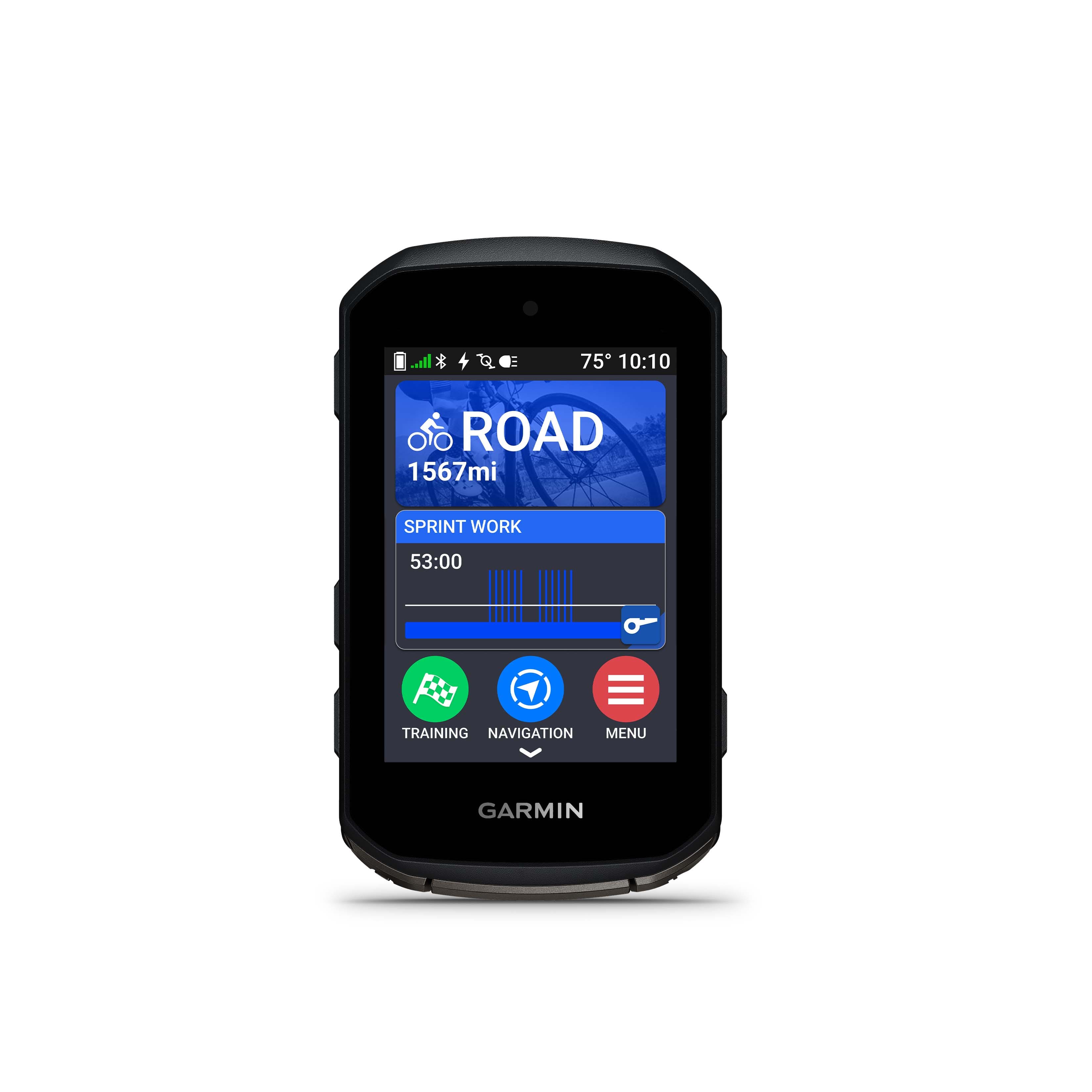
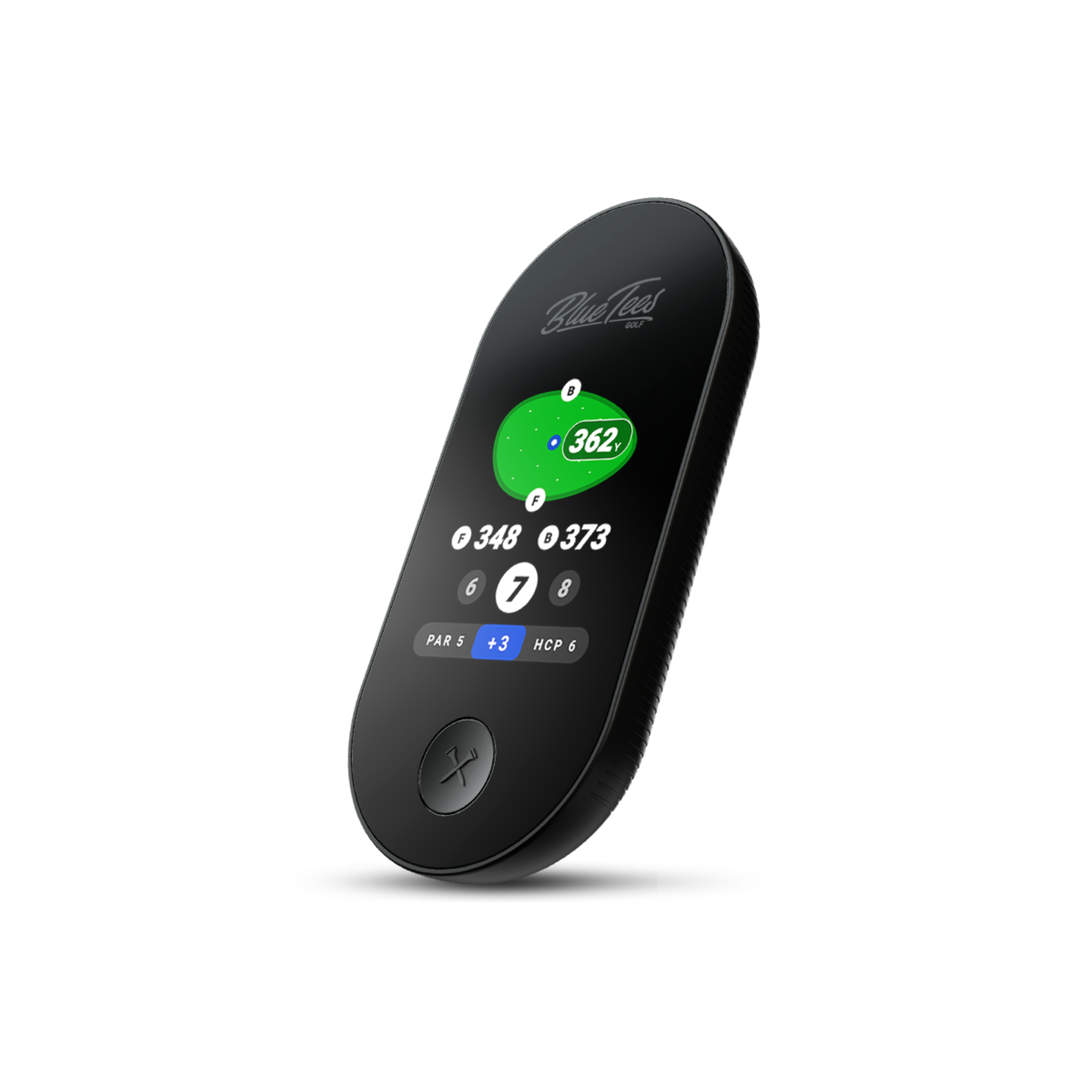
Many dedicated handheld GPS devices determine location using satellite signals rather than cellular service. Available maps, navigation tools and communication features vary by model, and some require downloads or subscriptions. Confirm what works offline before your trip, and carry a map and compass as a backup.
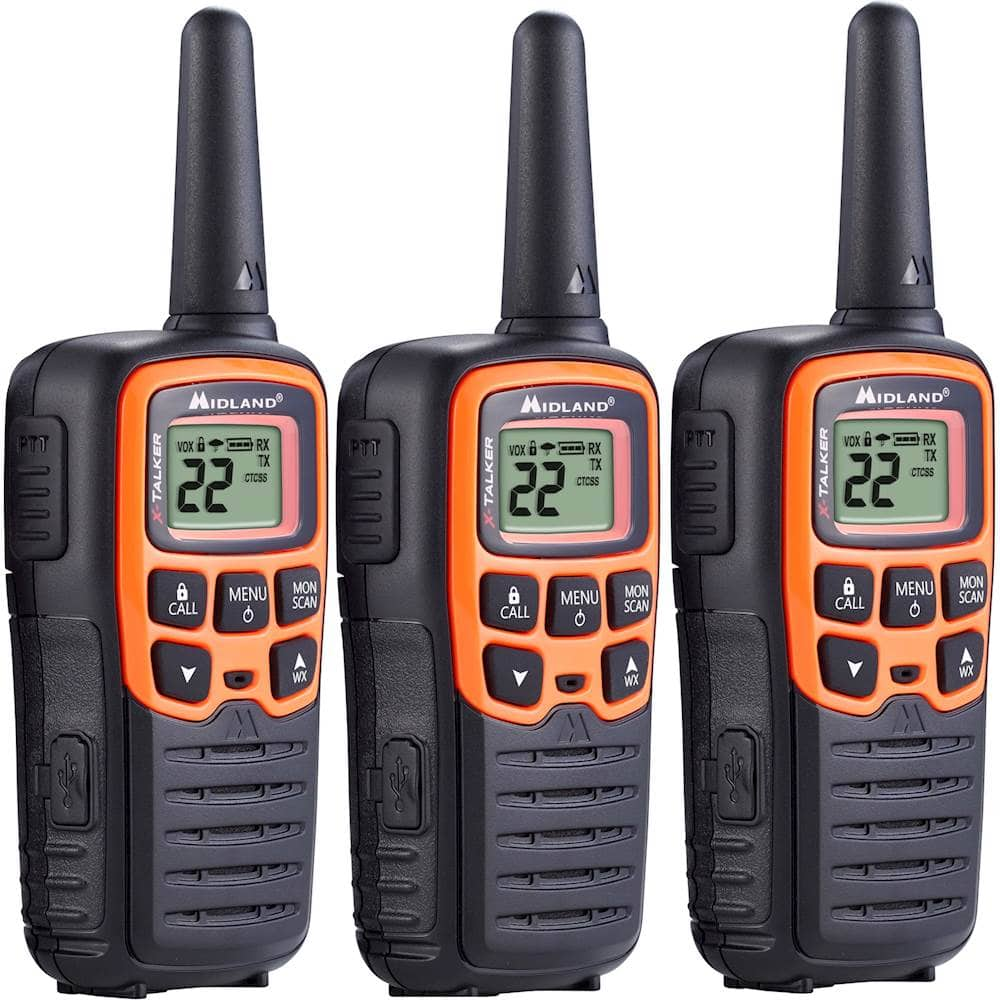
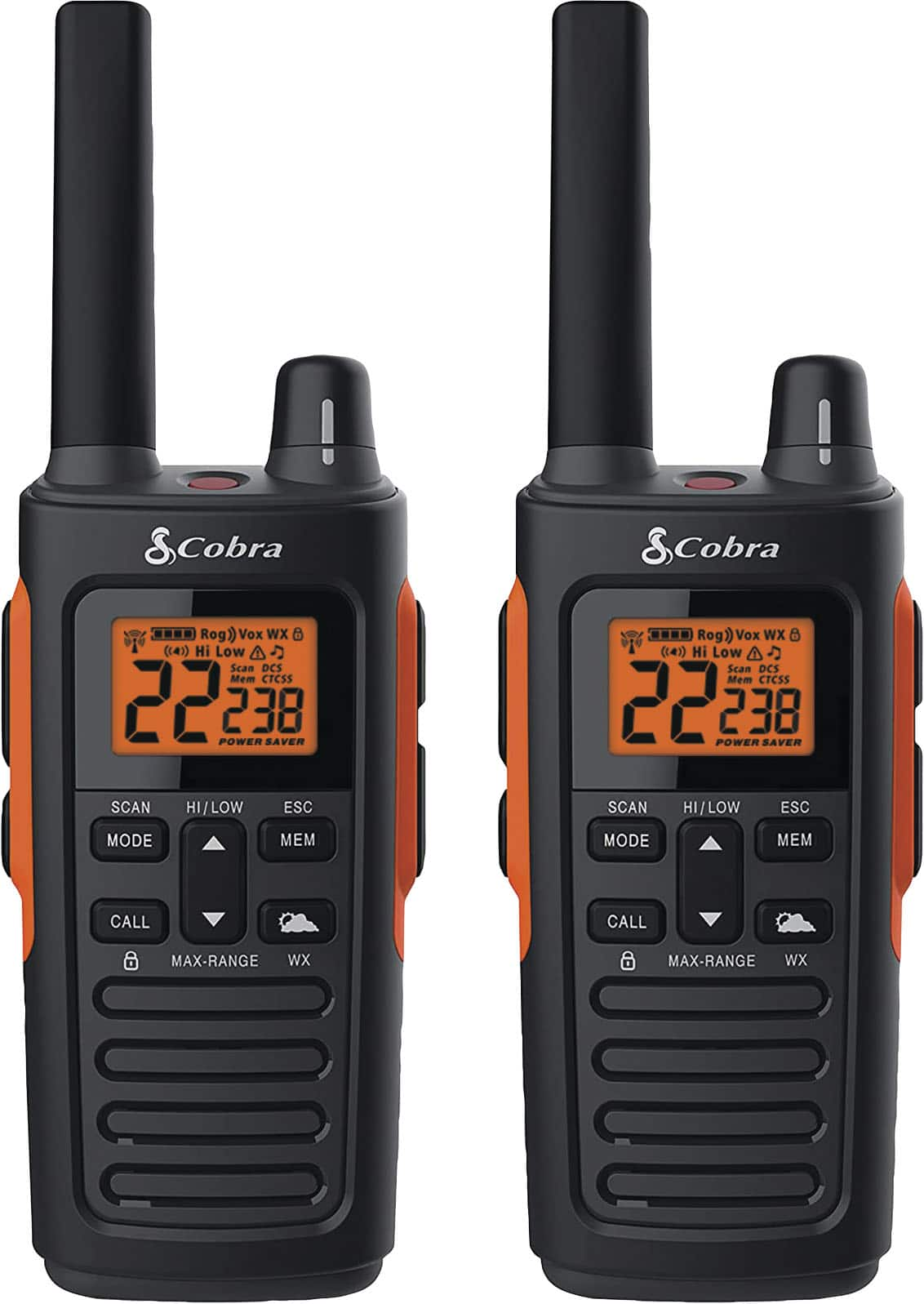
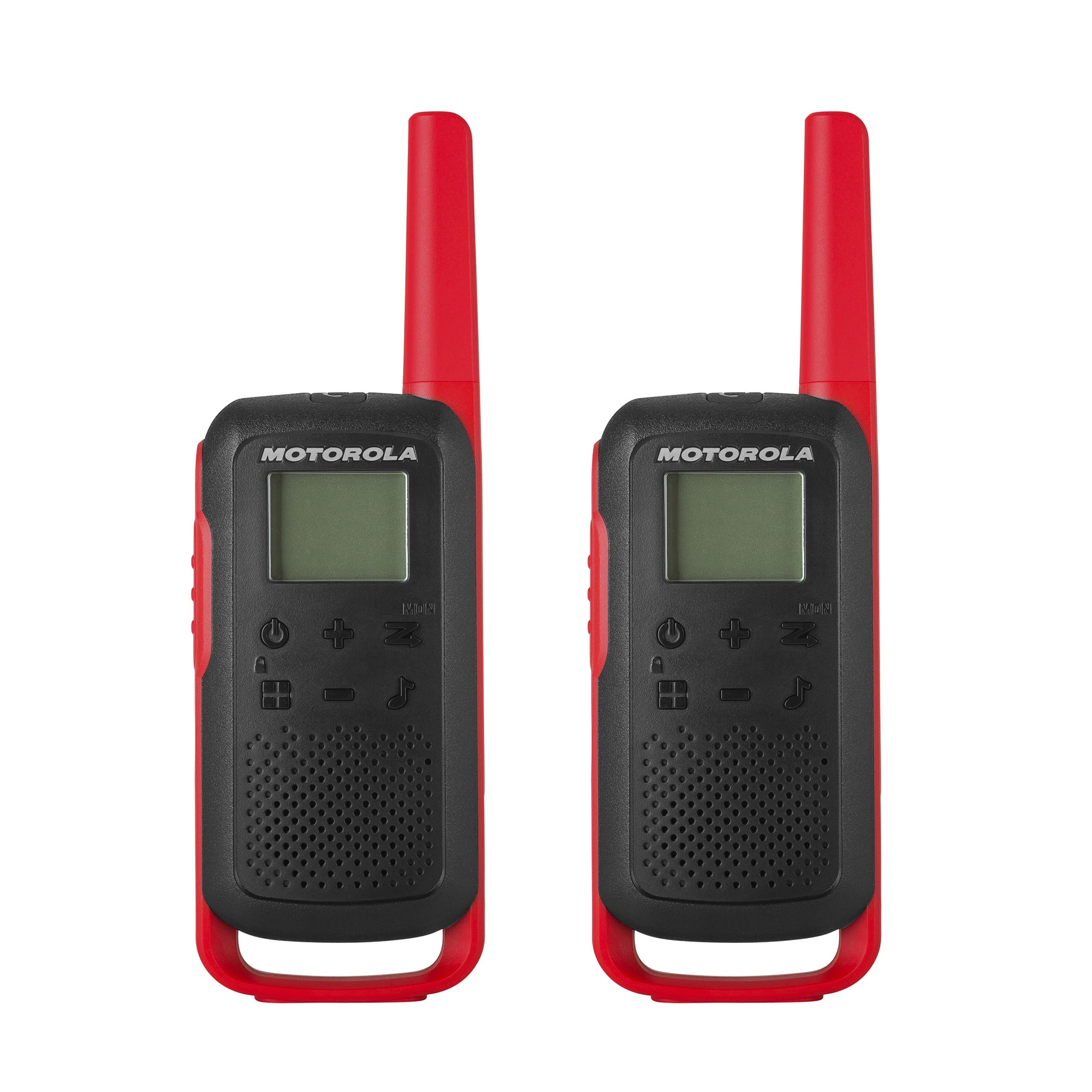
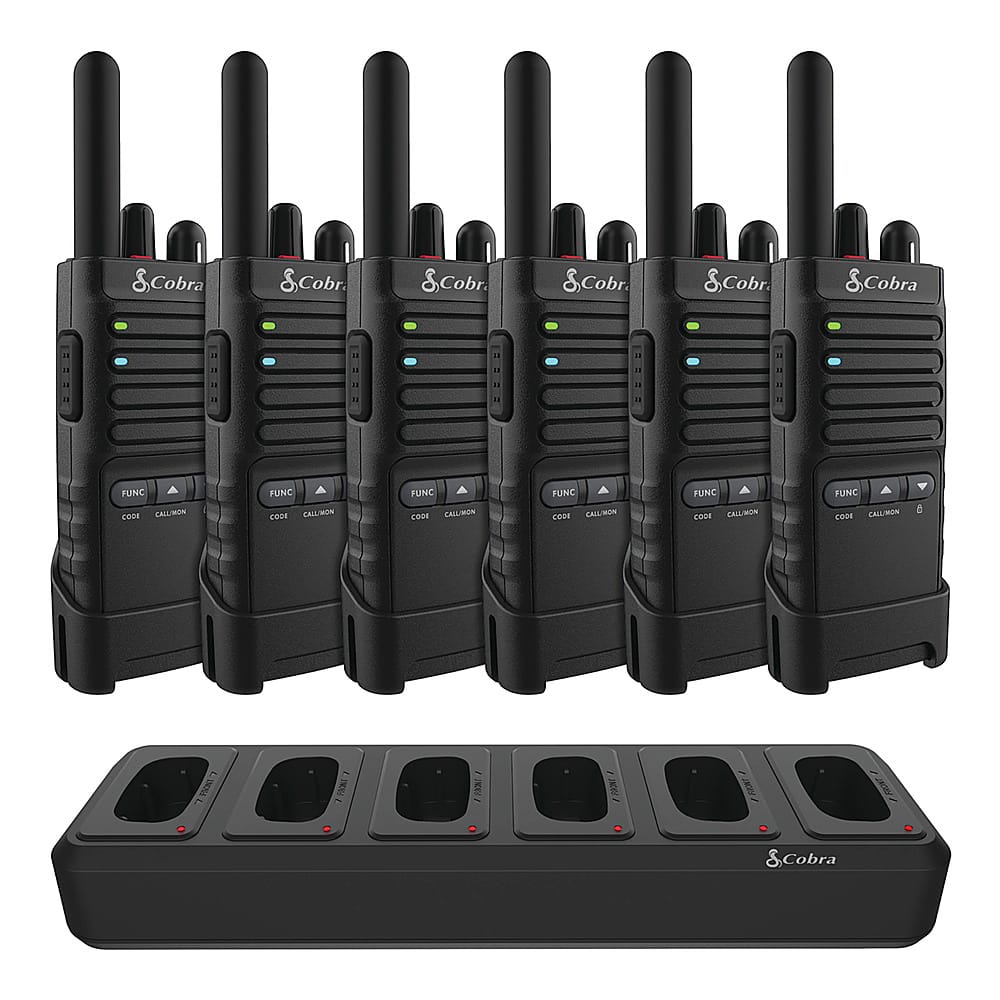
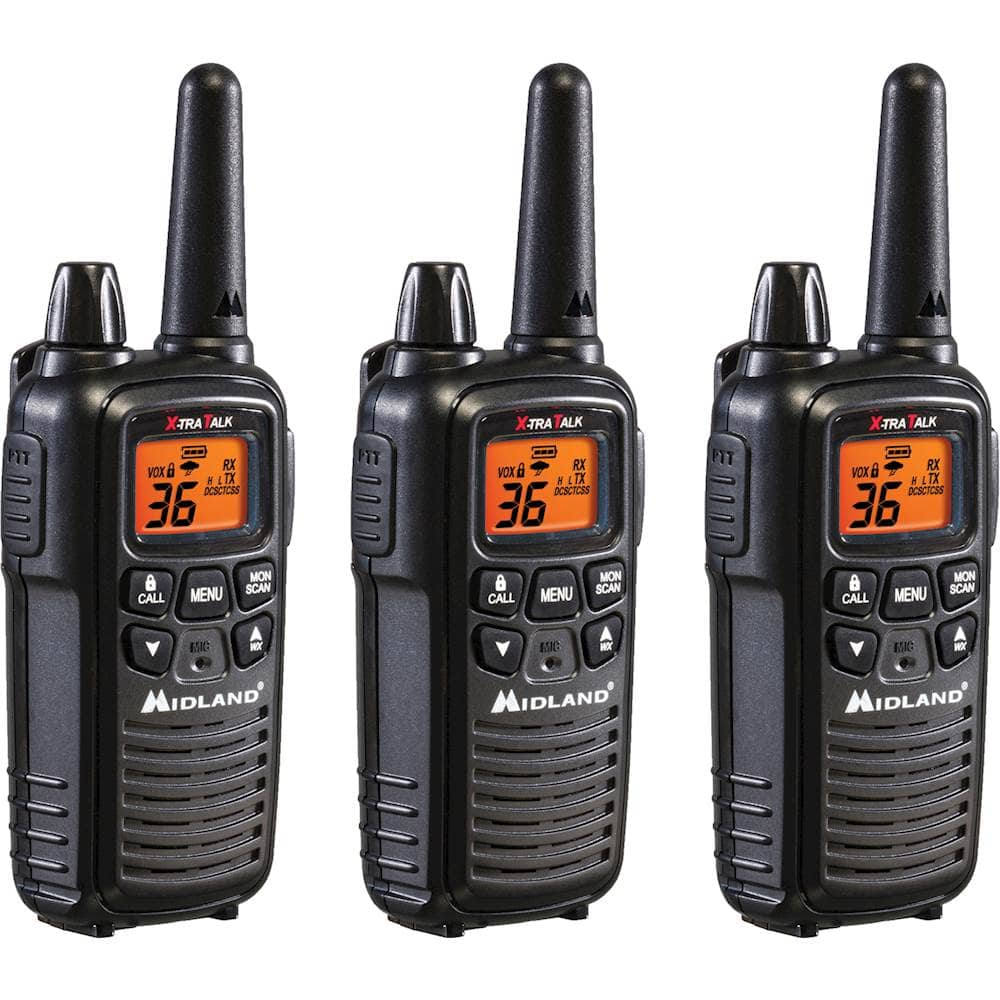
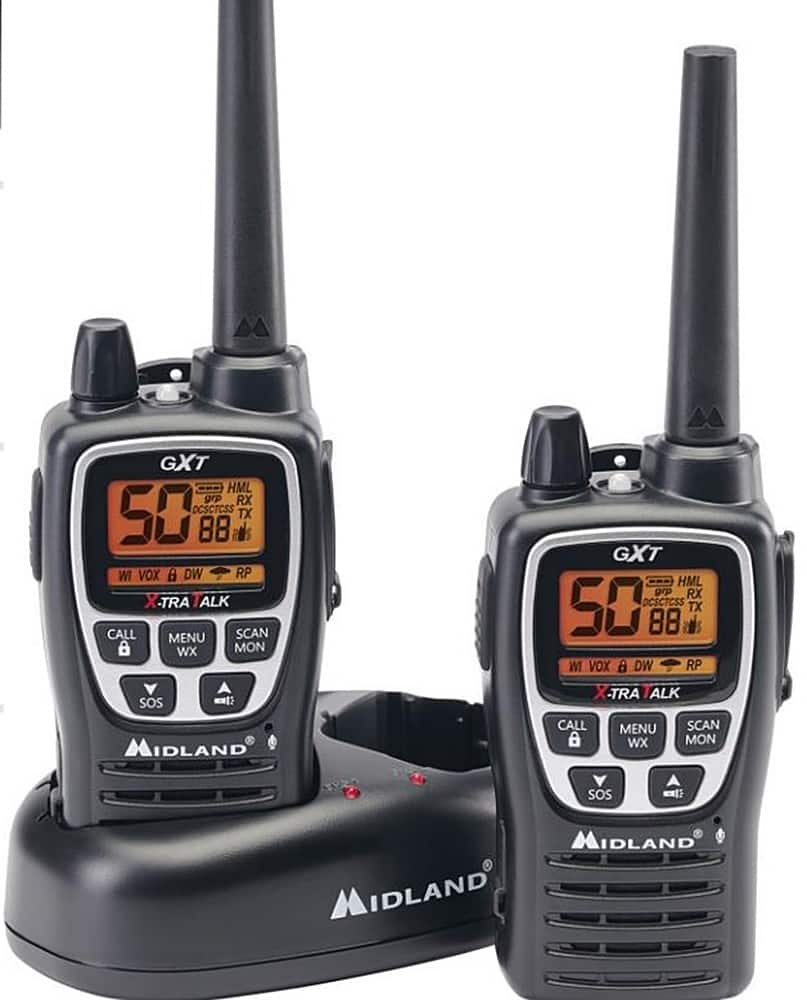
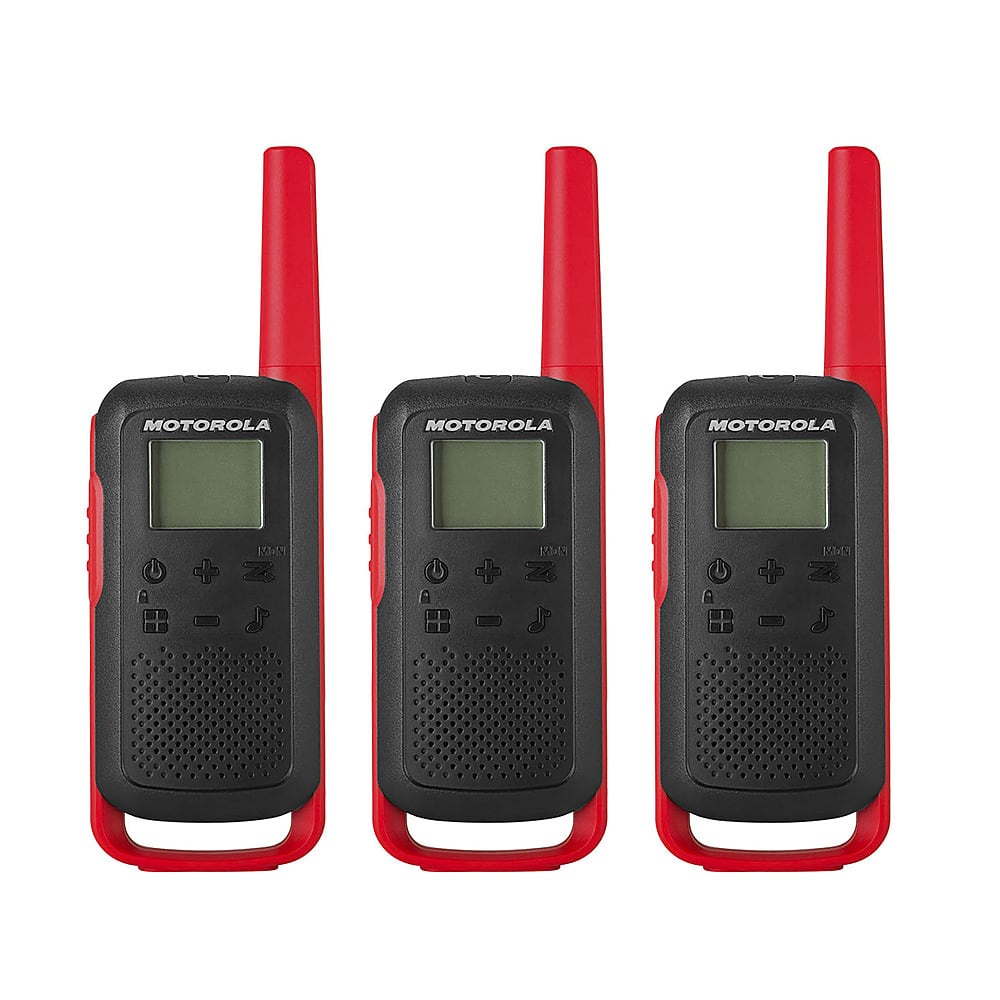
Actual range depends on terrain, vegetation, obstructions and the radios you use. Advertised maximum ranges generally reflect favorable conditions and may not match performance in woods or valleys. Check radio compatibility and licensing requirements; GMRS operation generally requires an FCC license, while FRS operation does not.